
Teeth Whitening Myths and Facts: A Professional Clinical Guide
11 June 2026
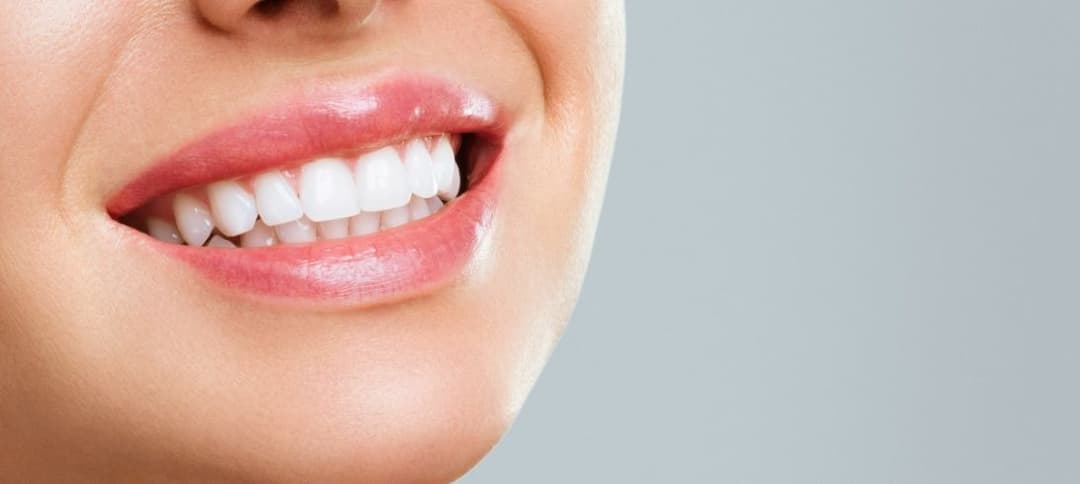
Many adults in London search online for teeth whitening information, often encountering conflicting advice and misleading claims. With numerous whitening products available and various treatment methods advertised, patients frequently struggle to distinguish between evidence-based dental facts and persistent myths about tooth whitening procedures.
Understanding the reality behind teeth whitening myths and facts becomes essential when considering cosmetic dental treatments. Misconceptions about whitening safety, effectiveness, and suitability can lead to inappropriate treatment choices or unrealistic expectations about outcomes.
This article examines common teeth whitening myths alongside clinical facts, explaining the science behind tooth discolouration, professional whitening methods, and safety considerations. We'll explore when whitening treatments may be suitable, potential risks to consider, and the importance of professional dental assessment before beginning any whitening regimen.
Professional guidance helps determine whether whitening treatments are appropriate for individual dental health circumstances and oral health goals.
What Are the Key Facts About Professional Teeth Whitening?
Professional teeth whitening involves the controlled application of bleaching agents, typically hydrogen peroxide or carbamide peroxide, under dental supervision. Clinical whitening procedures may lighten tooth enamel by several shades when clinically appropriate, though individual results vary based on tooth structure, staining type, and underlying dental health conditions.
Common Teeth Whitening Myths Examined
Myth: All Teeth Respond Equally to Whitening
One persistent myth suggests that whitening treatments produce identical results for everyone. In reality, tooth whitening effectiveness depends on several factors including the type of staining, tooth structure, age, and previous dental treatments.
Intrinsic stains, which develop within the tooth structure due to factors like medication use or fluorosis, often respond differently to whitening agents compared to extrinsic stains caused by food, drinks, or smoking. Some teeth may have natural variations in enamel thickness or mineral content that affect whitening outcomes.
Previous dental work, including fillings, crowns, or veneers, will not change colour during whitening treatments, potentially creating uneven results that require additional cosmetic considerations.
Myth: Whitening Damages Tooth Enamel Permanently
Another common misconception involves claims that professional whitening treatments permanently damage tooth enamel. Current dental research indicates that properly administered teeth whitening procedures, when performed under professional supervision, are not generally associated with significant long-term enamel damage.
However, whitening treatments can cause temporary tooth sensitivity as the bleaching agents penetrate enamel pores. This sensitivity typically subsides within days or weeks following treatment completion. Overuse of whitening products or using concentrations beyond recommended levels may increase sensitivity risks.
Professional dental assessment helps determine appropriate whitening protocols based on individual enamel condition and sensitivity levels.
The Science Behind Tooth Discolouration
Understanding how teeth become discoloured helps clarify why certain whitening approaches may be more effective than others. Tooth enamel contains microscopic pores that can trap pigmented molecules from foods, beverages, and other substances over time.
Coffee, tea, red wine, and tobacco products contain chromogens – pigmented compounds that can penetrate enamel and cause staining. As people age, enamel naturally becomes thinner, allowing the underlying yellow dentin layer to show through more prominently.
Certain medications, particularly tetracycline antibiotics taken during tooth development, can cause intrinsic staining that appears grey or brown. These deeper stains often require longer treatment periods or alternative cosmetic approaches.
Whitening agents work by breaking down these pigmented compounds through oxidation reactions, allowing stained molecules to be removed from enamel pores. The effectiveness of this process varies depending on stain depth, age, and chemical composition.
Professional vs Over-the-Counter Whitening Methods
Professional whitening treatments typically use higher concentrations of active ingredients compared to over-the-counter products, allowing for more noticeable colour changes in shorter timeframes for some patients. Dental supervision supports appropriate application techniques and monitoring for adverse reactions.
Custom-fitted trays created from dental impressions provide a closer fit to tooth surfaces compared to generic strips or trays. This improved fit reduces chemical contact with gums and soft tissues while helping to improve whitening effectiveness.
Over-the-counter whitening products generally contain lower concentrations of active ingredients and are intended for unsupervised use, but they are often less effective for noticeable colour changes. Some products may contain abrasive ingredients that could damage enamel with repeated use.
For a deeper look at how whitening agents interact with enamel and dentine, the guide to the clinical science behind Enlighten Evolution teeth whitening explains the process in more detail.
When Professional Dental Assessment May Be Needed
Several situations warrant professional dental evaluation before beginning whitening treatments. Tooth sensitivity, pain, or discomfort during eating or drinking may indicate underlying dental conditions that require treatment before cosmetic procedures.
Existing dental work, including fillings, crowns, or bonding materials, will not change colour during whitening treatments. Professional assessment helps plan coordinated cosmetic treatments to achieve uniform results.
Gum disease, tooth decay, or enamel damage should be addressed before whitening procedures to prevent increased sensitivity or complications. Patients with pre-existing sensitivity may benefit from arranging a clinical smile assessment when discussing options with their dentist. Some medications or medical conditions may affect whitening suitability or expected outcomes.
Pregnant or nursing mothers are generally advised to postpone elective whitening treatments as a precautionary measure. Professional evaluation helps determine appropriate timing for cosmetic dental procedures.
Maintaining Whitening Results Responsibly
Sustainable whitening results depend on ongoing oral hygiene practices and lifestyle modifications. Regular brushing with fluoride toothpaste and daily flossing help prevent new stain accumulation while supporting overall dental health.
Limiting exposure to staining substances like coffee, tea, and tobacco products can help maintain whitening results longer. When consuming staining beverages, using a straw may reduce direct contact with front teeth.
Professional dental check-up appointments provide regular cleaning and stain removal while monitoring dental health changes over time. These visits help identify potential issues before they require extensive treatment.
Touch-up whitening treatments may be recommended periodically to maintain desired colour levels, though frequency should be guided by professional dental advice rather than arbitrary scheduling.
Realistic Expectations for Whitening Outcomes
Setting appropriate expectations supports informed decision-making about whitening results. Professional treatments can lighten teeth by several shades in many suitable candidates, though individual outcomes vary considerably based on starting tooth colour, staining patterns, and dental health. Specific results cannot be predicted without clinical assessment, and no particular outcome can be guaranteed.
Some teeth may reach a natural whitening limit beyond which additional treatments provide minimal improvement. Attempting to exceed these natural limits may increase sensitivity risks without achieving desired aesthetic goals.
Whitening treatments are most predictable on healthy, natural tooth structure. Teeth with extensive restorations, severe intrinsic staining, or structural damage may require alternative restorative dental treatments such as crowns to achieve desired appearance changes.
Professional consultation helps establish realistic goals based on individual dental anatomy and aesthetic preferences while considering long-term oral health implications.
Key Points to Remember
- Professional teeth whitening can be effective when performed under dental supervision, though individual results vary significantly
- Common whitening myths often exaggerate both benefits and risks of treatment procedures
- Tooth discolouration has various causes that respond differently to whitening treatments
- Over-the-counter products generally provide more modest results compared to professional procedures
- Existing dental work will not change colour during whitening treatments
- Maintaining results requires ongoing oral hygiene and lifestyle considerations
Frequently Asked Questions
How long do professional whitening results typically last?
Professional whitening results commonly last between six months to two years, depending on individual dietary habits, oral hygiene practices, and lifestyle factors. Regular consumption of staining substances like coffee, tea, or tobacco products may reduce result duration. Touch-up treatments can help maintain desired colour levels, though frequency should be determined through professional dental consultation rather than arbitrary scheduling.
Can whitening treatments cause permanent tooth sensitivity?
Most whitening-related sensitivity is temporary, typically lasting days to weeks following treatment completion. Professional whitening protocols include measures to minimise sensitivity risks, such as fluoride applications or desensitising agents. Individuals with existing sensitivity should discuss concerns during dental consultation to determine appropriate treatment modifications or alternative approaches.
Are there dental conditions that make whitening unsuitable?
Several conditions may affect whitening suitability, including active tooth decay, gum disease, extensive dental restorations, or severe enamel damage. Pregnant or nursing mothers are generally advised to postpone elective cosmetic treatments. Professional dental assessment helps identify any contraindications and supports appropriate treatment timing.
Do natural whitening remedies work effectively?
Many natural whitening remedies lack scientific evidence for effectiveness and may potentially damage tooth enamel through abrasive action. Substances like lemon juice, baking soda, or activated charcoal can erode enamel with repeated use. Professional whitening methods, carried out with appropriate clinical oversight, generally offer more consistent results than home remedies, though individual outcomes depend on tooth structure and the nature of the discolouration.
How soon after dental treatment can whitening begin?
Timing depends on the type of dental treatment completed. Following routine cleanings, whitening can typically begin immediately. After restorative work like fillings or crowns, waiting periods may be recommended to allow healing and assess colour matching needs. Professional guidance helps determine appropriate treatment sequencing.
Can whitening improve all types of tooth discolouration?
Whitening effectiveness varies significantly based on staining type and depth. Surface stains from food and beverages typically respond well to treatment, while intrinsic stains from medications or development conditions may require longer treatment periods or alternative cosmetic approaches. Professional assessment helps predict likely outcomes based on individual staining patterns.
Conclusion
Understanding the distinction between teeth whitening myths and facts enables informed decision-making about cosmetic dental treatments. While professional whitening can effectively lighten tooth colour for many patients, individual results depend on numerous factors including staining type, tooth structure, and overall dental health.
Professional dental assessment remains essential for determining whitening suitability, establishing realistic expectations, and supporting appropriate treatment protocols. This evaluation helps identify any underlying conditions requiring attention before cosmetic procedures begin.
Maintaining whitening results requires ongoing commitment to oral hygiene practices and lifestyle modifications that support dental health. Regular professional dental care provides monitoring and maintenance support for long-term cosmetic and health outcomes.
If you are based in Central London and are considering teeth whitening, Wimpole Dental Office at 20 Wimpole Street, London W1G 8GF offers professionally supervised whitening treatments. A clinical consultation can help determine whether whitening is suitable for your individual dental health circumstances.
Dental symptoms and treatment options should always be assessed individually during a clinical examination.
Disclaimer
This article is for educational purposes only and does not constitute dental or medical advice. Teeth whitening suitability, safety, and outcomes vary significantly between patients and cannot be assessed without clinical examination. No specific treatment outcomes are guaranteed; treatment decisions should always be made in consultation with a qualified dental professional and informed consent. Wimpole Dental Office is registered with the Care Quality Commission (CQC) and all practitioners are registered with the General Dental Council (GDC).
This content is prepared with regard to the UK CAP Code, as enforced by the Advertising Standards Authority (ASA), and does not present guaranteed or universally superior treatment outcomes.

 Great dentist had my first appointment/consultation today for tooth enlightening! Really informative, patient DR who has a genuine intrest in your teeth and Keeping the cost low! :)


