
Aching Teeth and Jaw: Common Causes, Symptoms and When to Seek Advice
25 June 2026
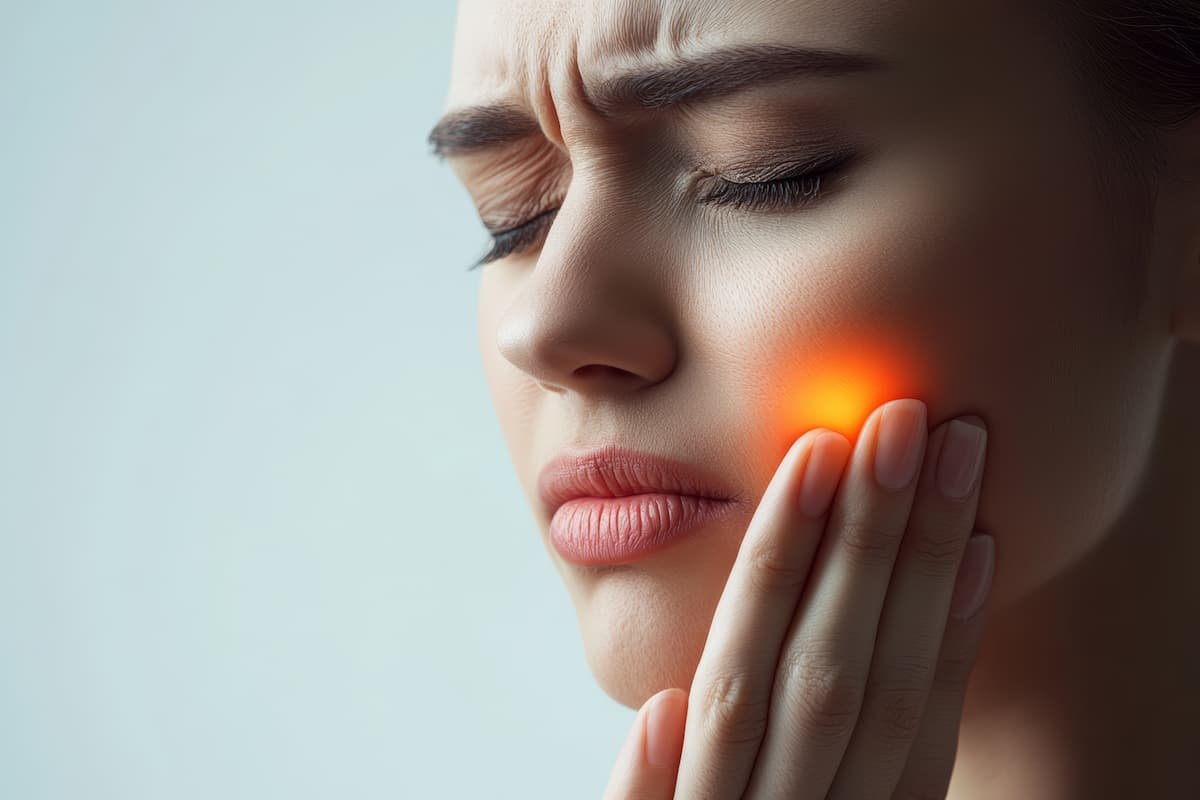
Experiencing aching teeth and jaw discomfort is something many people encounter at some point in their lives. The sensation can range from a mild, dull ache in the mouth to more noticeable pain affecting one or both sides of the jaw, the gums, or even the ear area. Understanding what may be contributing to these symptoms is often a helpful first step before seeking professional dental advice.
This article outlines common causes of tooth and jaw pain, how different oral health conditions may be associated with discomfort, and when it may be appropriate to consult a dental professional.
> Quick Answer: Aching teeth and jaw discomfort can be associated with a range of causes, including tooth decay, gum disease, dental infection, teeth grinding (bruxism), impacted wisdom teeth, or temporomandibular joint (TMJ) dysfunction. Symptoms vary depending on the underlying cause. Professional dental assessment is recommended when discomfort is persistent, worsening, or accompanied by swelling, fever, or difficulty opening the mouth.
What Can Cause Aching Teeth and Jaw?
Tooth and jaw pain rarely has a single, universal explanation. The experience of jaw teeth pain or a general ache in the mouth can be linked to a broad range of dental and, in some cases, non-dental factors.
Common dental causes include:
- Tooth decay and cavities
- Dental abscesses or infection
- Cracked or damaged teeth
- Impacted wisdom teeth
- Gum disease (gingivitis or periodontal disease)
- Teeth grinding or clenching (bruxism)
- Temporomandibular joint (TMJ) dysfunction
Non-dental factors that may contribute to jaw or facial pain include sinus congestion, referred pain from surrounding structures, or musculoskeletal tension. Because causes can overlap, an accurate assessment by a qualified dental professional is often necessary to identify what may be contributing to symptoms.
Can Tooth Problems Cause Jaw Pain?
Yes — in many cases, when the jaw hurts from a tooth problem, the discomfort originates in the tooth itself and can radiate outward. This is sometimes referred to as referred pain, where the brain perceives discomfort in a location that is adjacent to, rather than exactly at, the source.
Tooth Decay
Tooth decay — caused by acid-producing bacteria breaking down tooth enamel — can lead to sensitivity and an ache in the mouth that worsens over time. As decay progresses and reaches the inner pulp of the tooth, the pain may become more significant and may extend to the surrounding jaw area. NHS guidance recommends regular dental check-ups as an important factor in detecting decay early.
Dental Abscess
A dental abscess is a collection of pus caused by a bacterial infection, often arising from untreated decay or a damaged tooth. Abscess-related pain can be severe and may radiate to the jaw, ear, and neck. Swelling, a persistent toothache, and a bad taste in the mouth can sometimes be associated with an abscess. Because dental infections have the potential to spread, professional assessment is advisable without undue delay. For further context, see our educational article on what an X-ray may show in a tooth abscess.
If you suspect an abscess or dental infection, an emergency dental appointment may be appropriate.
Cracked or Damaged Teeth
A cracked tooth can cause intermittent, sharp pain — particularly when biting down — and may be associated with sensitivity to temperature. The discomfort can be difficult to pinpoint and may sometimes feel like it involves the surrounding jaw. Cracks are not always visible to the naked eye, which is why clinical examination is important.
Impacted Wisdom Teeth
Wisdom teeth that do not fully emerge — sometimes called impacted wisdom teeth — can cause considerable discomfort in the back of the mouth, the jaw, and occasionally the ear area. Pain in upper and lower teeth on one side is sometimes associated with wisdom tooth activity. Inflammation, pressure, and difficulty chewing are commonly reported alongside this type of discomfort. Our team offers wisdom teeth assessment and advice in London for those experiencing these symptoms.
Can Gum Problems Lead to Jaw Discomfort?
Gum health is closely connected to overall oral health, and pain in gums and jaw is a combination that should not be ignored. Inflamed or infected gum tissue can cause aching that extends beyond the gumline.
Gingivitis
Gingivitis is an early-stage form of gum disease in which the gums become inflamed, often as a result of plaque accumulation. Symptoms can include redness, swelling, bleeding when brushing, and sore teeth and jaw sensations around the affected area. Gingivitis is generally reversible with improved oral hygiene and professional cleaning.
Periodontal Disease
When gingivitis progresses without treatment, it can develop into periodontal disease — a more advanced form of gum disease that affects the supporting structures of the teeth, including the bone. Aching gums and jaw are frequently associated with periodontitis, alongside loosening teeth, gum recession, and persistent bad breath. NICE and NHS guidance both recognise the importance of early intervention for periodontal conditions. Our periodontal treatment service provides professional assessment and management for those concerned about gum health.
Inflamed Gum Tissue
Even without a formal diagnosis of periodontal disease, localised gum inflammation — sometimes caused by trapped food, dental trauma, or hormonal changes — can contribute to an ache in the mouth and surrounding jaw area. Maintaining a thorough daily oral hygiene routine can help reduce the risk of gum inflammation.
Why Do Some People Experience Pain in the Jaw, Ear and Teeth?
Pain in the jaw and ear and teeth occurring together is a pattern that many people find confusing, particularly when one area seems more prominent than the others. This combination may be related to the close anatomical proximity of the jaw joint, the ear canal, and the upper and lower teeth.
Causes that are commonly associated with this pattern include:
- TMJ dysfunction, which can cause radiating pain around the ear and temple
- Dental abscess, where infection can track along nerve pathways
- Impacted wisdom teeth, particularly lower ones positioned close to the ear area
- Referred pain from the trigeminal nerve, which supplies sensation to much of the face, jaw, and teeth
Because these structures share nerve pathways, it can be challenging to determine the origin of pain without a clinical examination.
What Does Pain in Upper and Lower Teeth on One Side Mean?
Experiencing pain in upper and lower teeth on one side can sometimes point to a localised issue rather than a widespread dental problem. Potential causes include:
- A dental infection or abscess affecting one quadrant of the mouth
- Impacted or erupting wisdom teeth on that side
- TMJ dysfunction, which often affects one side more than the other
- Clenching or bruxism that is more pronounced on one side
- Sinus congestion affecting the upper teeth on one side (the roots of the upper back teeth sit close to the maxillary sinus)
If the discomfort is persistent or worsening, professional assessment can help determine what may be contributing to one-sided jaw teeth pain.
Can Teeth Grinding Affect the Jaw?
Bruxism — the habitual grinding or clenching of teeth, often during sleep — is a significant and frequently overlooked cause of tooth and jaw pain. Many people are unaware that they grind their teeth until a dental professional identifies the signs during a routine examination.
Symptoms that can be associated with bruxism include:
- A dull, persistent ache in the jaw upon waking
- Sensitivity in multiple teeth
- Headaches, particularly in the morning
- Worn or flattened tooth surfaces
- Facial muscle tenderness
Stress and anxiety are commonly linked to bruxism, though other contributing factors may also play a role. Regular dental check-ups are valuable for identifying early signs and helping prevent further tooth wear.
How TMJ Problems Can Cause Tooth and Jaw Pain
The temporomandibular joint (TMJ) connects the lower jaw to the skull and is involved in every movement of the mouth — chewing, speaking, and yawning. When this joint is affected by dysfunction or inflammation, the resulting discomfort can be widespread.
TMJ-related jaw pain tooth pain can present as:
- Jaw clicking or popping when opening or closing the mouth
- Difficulty or discomfort when chewing
- A feeling of the jaw locking or catching
- Aching gums and jaw sensations that feel difficult to localise
- Ear pain and headaches
TMJ dysfunction can be associated with bruxism, postural factors, stress, or changes in bite alignment. Management approaches vary and are best guided by a dental professional following a thorough assessment.
When Could Aching Teeth and Jaw Require Professional Assessment?
While mild, transient oral discomfort is not unusual, certain patterns of jaw pain tooth pain or pain in mouth may benefit from timely professional attention.
Consider seeking dental advice if you experience:
- Persistent toothache lasting more than a day or two
- Swelling in the face, cheek, or jaw
- Difficulty opening or closing your mouth fully
- Fever alongside dental or jaw pain
- Pain that disrupts sleep or daily activities
- Visible changes to the gums, including redness, bleeding, or recession
- Sensitivity that does not resolve after the trigger (e.g., temperature) is removed
The General Dental Council (GDC) encourages patients to seek professional dental advice whenever oral symptoms give cause for concern. It is always preferable to have symptoms assessed early rather than waiting for discomfort to worsen.
For persistent unexplained symptoms, a root canal assessment or further diagnostic investigation may be recommended by your dentist.
How Can You Support Oral Health While Awaiting Advice?
While waiting for a dental appointment, the following self-care measures are generally considered supportive of oral health:
- Brush twice daily using a fluoride toothpaste, being gentle around any areas of sensitivity
- Floss or use interdental brushes once a day to remove plaque from between teeth and along the gumline
- Avoid very hot, cold, or sweet foods and drinks if sensitivity is present
- Try to reduce jaw clenching by being mindful of tension during the day and using relaxation techniques where possible
- Over-the-counter pain relief such as ibuprofen or paracetamol may provide temporary comfort — always follow the manufacturer's guidance and check suitability with a pharmacist if unsure
- Avoid chewing on the affected side of the mouth where possible
These measures are not a substitute for professional assessment, but they may help manage discomfort in the short term.
Frequently Asked Questions (FAQs)
Why does my jaw hurt when I have a toothache?
When a tooth is affected by decay, infection, or damage, pain signals can travel along the nerves that supply the surrounding area. This referred pain can make it feel as though the jaw itself is the source, even when the problem originates in a tooth. A dental examination can help identify the actual source.
Is it normal to have pain in both my jaw and ear at the same time?
Pain in the jaw and ear together can be associated with several conditions, including TMJ dysfunction, a dental abscess, or impacted wisdom teeth. Because the jaw joint sits very close to the ear canal, discomfort in one area can sometimes be felt in the other. This pattern is worth discussing with a dentist if it persists.
Can gum disease really cause jaw pain?
Yes — advanced gum disease (periodontal disease) can affect the bone and supporting structures around the teeth, and may contribute to a deep ache in the jaw area. Early gum disease (gingivitis) can also cause localised soreness. Maintaining good oral hygiene and attending regular dental check-ups can help reduce the risk of gum disease progressing.
What might cause aching teeth and jaw specifically at night?
Night-time jaw and tooth pain is commonly associated with bruxism (teeth grinding during sleep). The jaw muscles work hard during grinding, which can lead to soreness upon waking. TMJ dysfunction can also worsen at night, particularly if stress levels are elevated. If you regularly wake with jaw or tooth pain, it is worth mentioning this to your dentist.
Could my wisdom teeth be causing pain in my jaw and cheek?
Yes — impacted or partially erupted wisdom teeth can cause considerable discomfort in the back of the mouth, the jaw, and even the cheek area. Inflammation and pressure from an emerging wisdom tooth can also contribute to ear pain. A dental X-ray is typically needed to assess the position and impact of wisdom teeth.
When should I treat jaw and tooth pain as urgent?
You should seek prompt dental attention if jaw and tooth pain is accompanied by facial swelling, a fever, difficulty breathing or swallowing, or if the pain is severe and escalating. These symptoms may indicate a spreading dental infection, which warrants timely assessment.
What is the difference between TMJ pain and a toothache?
TMJ pain typically presents as a jaw joint ache, clicking, or a limited range of jaw movement, and may feel like it originates near the ear. A toothache tends to be more localised to a specific tooth and may be triggered by biting, temperature, or pressure. However, the two conditions can co-exist, and symptoms can overlap, making professional assessment important.
Can sinus problems cause upper tooth and jaw pain?
Yes. The roots of the upper back teeth are situated close to the maxillary sinus. When the sinuses become congested or inflamed — for example, during a sinus infection — it can create pressure that is felt as pain in the upper teeth and jaw. This type of pain often affects multiple teeth on one side rather than a single tooth.
Is pain in the upper and lower teeth on one side always a dental problem?
Not necessarily, though dental causes are among the most common. One-sided jaw and tooth pain can also be related to TMJ dysfunction, muscle tension, or sinus issues. A dental professional can help rule out or confirm dental causes and, if appropriate, refer for further investigation.
How can I tell if I have a dental abscess?
A dental abscess may be associated with a persistent, throbbing toothache, swelling in the face or cheek, sensitivity to heat and cold, a bad taste in the mouth, and sometimes a fever. If you suspect you may have an abscess, it is advisable to seek professional dental advice promptly rather than waiting to see whether symptoms resolve on their own.
Closing Thoughts
Aching teeth and jaw discomfort can arise from a wide range of causes — from early tooth decay and gum inflammation to TMJ dysfunction and dental infection. Understanding the potential connections between oral structures can help you make more informed decisions about when to seek professional advice.
Maintaining a consistent oral hygiene routine, attending regular dental check-ups, and being aware of changes in your oral health are among the most effective ways to support long-term dental wellbeing. If symptoms persist, worsen, or are accompanied by other concerning signs, consulting a qualified dental professional is always a sensible step.
Recommended Schema Types
- `Article`
- `FAQPage`
- `Breadcrumb`
- `MedicalWebPage`
> Dental Disclaimer: This article is for general educational purposes only and is not dental or medical advice. > Do not use this content to self-diagnose; only a qualified dental professional can assess individual symptoms. > If symptoms are persistent, severe, or worsening, seek professional dental advice promptly. > Wimpole Dental Office is registered with the Care Quality Commission (CQC), and care is provided in line with General Dental Council (GDC) standards. > Content is prepared with regard to the UK CAP Code and Advertising Standards Authority (ASA) requirements; outcomes are not guaranteed.
Written Date: 24 June 2026 Next Review Date: 24 June 2027

 Great dentist had my first appointment/consultation today for tooth enlightening! Really informative, patient DR who has a genuine intrest in your teeth and Keeping the cost low! :)


