
Bad Breath After Tooth Pulled: What's Normal and When to Be Concerned
24 June 2026
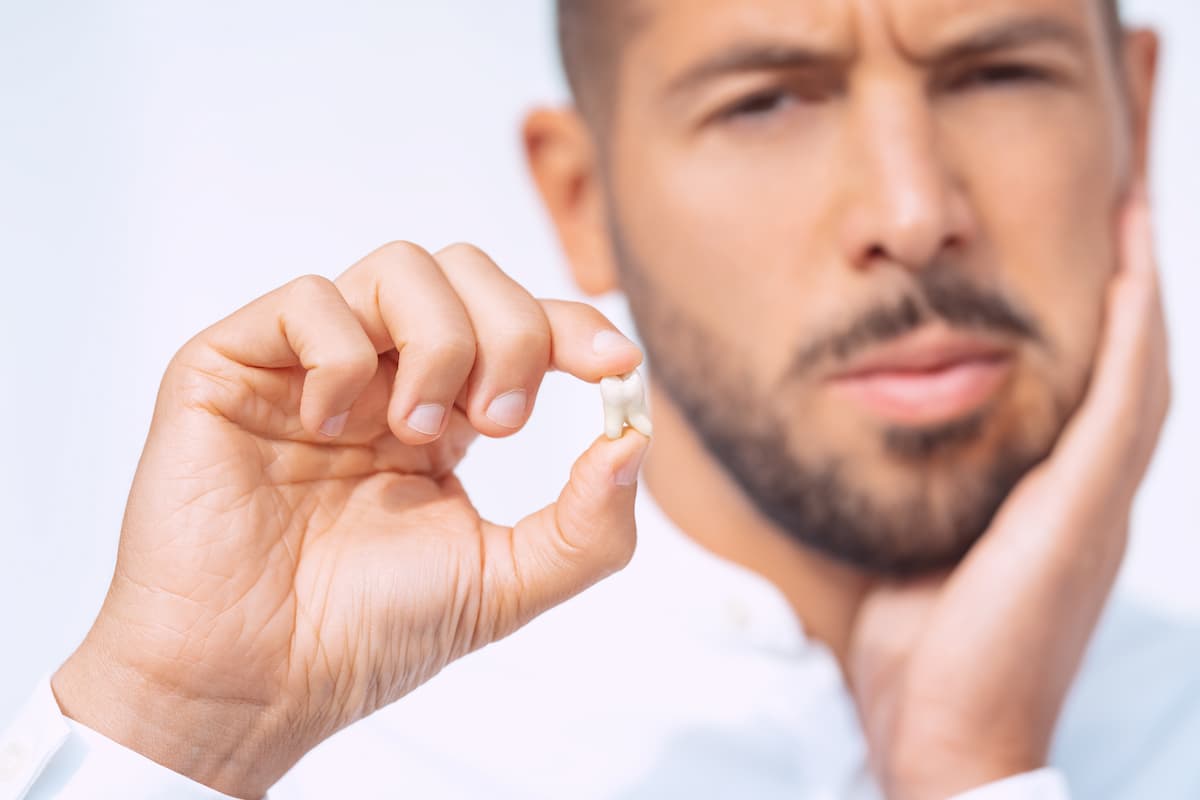
Noticing bad breath after a tooth pulled is an experience many people find unsettling, particularly when they are already navigating the discomfort of recovery. The good news is that in many cases, some degree of unpleasant breath or taste is a completely expected part of the healing process following a tooth extraction. Understanding why it happens, how long it may last, and what signs might merit professional attention can help you recover with greater confidence and peace of mind.
For patients in Central London, timely post-extraction review can be especially helpful when symptoms feel unclear. Access to local follow-up care can make it easier to distinguish normal healing changes from signs that need prompt assessment.
This article is intended as educational guidance only and does not constitute clinical advice or diagnosis. If you have concerns about your recovery, please contact a qualified dental professional.
Is Bad Breath After a Tooth Extraction Normal?
For most people, some degree of bad smell after a tooth pulled is entirely expected and not a cause for immediate concern. The mouth contains hundreds of species of bacteria at any given time, and a healing extraction socket creates a temporary environment where bacterial activity can be slightly elevated.
This does not necessarily indicate infection or complications. The socket — the space left behind once a tooth is removed — goes through a carefully staged healing process involving blood clot formation, soft tissue changes, and gradual bone remodelling. During these early stages, it is common to notice an unusual taste or smell.
Bad breath after tooth extraction is a frequent question raised in post-operative consultations, and dental teams across the UK routinely reassure patients that mild, transient halitosis is not uncommon following oral surgery.
Why Does Bad Breath Happen After a Tooth Is Pulled?
Several overlapping factors can contribute to unpleasant breath during extraction recovery. Understanding each one can help you make sense of what your body is doing as it heals.
Blood Clot Formation
Immediately after a tooth is removed, a blood clot forms in the socket. This clot is essential — it protects the underlying bone and nerve tissue and provides a foundation for new tissue growth. As the clot matures and the healing process progresses, it can produce a mild odour. This is a natural biological process and is not inherently harmful.
Food Debris and Bacteria
Even with careful post-operative oral hygiene, small food particles can become lodged near or around the extraction socket. Because the area is tender and requires gentle handling, some debris may accumulate that would ordinarily be cleared by normal brushing. Bacteria interacting with this debris can contribute to temporary bad breath after teeth pulled.
Reduced Brushing Around the Area
Following a tooth extraction, dental professionals typically advise patients to brush carefully around the socket rather than directly over it, particularly in the first 24 to 48 hours. This temporary adjustment to your oral hygiene routine — while entirely appropriate — can mean that the surrounding teeth and gum tissue receive slightly less cleaning than usual, which may contribute to a mild odour.
Healing Tissue Changes
As the gum tissue closes over the socket, it undergoes changes that can produce an unfamiliar taste or smell. The body's natural inflammatory response, which is part of healthy wound healing, can also play a role. This is a transient phase and typically resolves as healing progresses.
How Long Does Bad Breath After Tooth Extraction Usually Last?
One of the most common questions people have is: how long does bad breath after tooth extraction last?
In most cases, mild unpleasant breath associated with healing resolves within a few days to two weeks, depending on:
- The complexity of the extraction (simple versus surgical)
- The location of the tooth removed
- Individual healing rates
- The standard of post-operative oral hygiene
- Whether any complications occur
As the socket heals, the blood clot matures, the gum tissue closes, and normal oral hygiene can be gradually resumed, the associated breath changes typically diminish.
If you had a more complex extraction — for instance, a wisdom tooth removal involving soft tissue or bone — recovery may take a little longer, and some mild breath changes may persist slightly beyond this timeframe.
Bad Breath After Tooth Extraction With No Pain: What Does It Mean?
If you are experiencing bad breath after tooth extraction with no pain, this is generally a reassuring combination. In many cases, it simply reflects the normal healing process. The absence of significant pain is typically a positive indicator that the socket is healing as expected.
It is worth being mindful that:
- Mild, pain-free bad breath is commonly associated with normal socket healing
- Food debris near the site can produce an odour without causing discomfort
- Occasional slight taste changes are not unusual in the early healing days
However, if the smell is notably unpleasant, worsening, or accompanied by other unusual symptoms — even without pain — it remains sensible to mention it to your dental team at your follow-up appointment or to contact them for guidance.
Bad Breath After Tooth Extraction and Bone Graft: Is It Different?
If your extraction was combined with a bone graft — a procedure in which bone material is placed in the socket to preserve jaw structure and support future dental implants or other restorative work — the healing process is somewhat more complex, and this can influence the recovery experience.
Bad breath after tooth extraction and bone graft may:
- Last slightly longer than after a straightforward extraction
- Be influenced by the presence of graft material during early integration
- Require more careful adherence to post-operative oral hygiene guidance
Bone graft procedures are a recognised component of contemporary restorative dentistry, and your dental team will provide specific aftercare instructions tailored to your situation. If you have concerns about healing following a combined procedure, always contact the practice that performed your treatment for personalised guidance.
When Could Bad Breath Indicate Dry Socket?
Dry socket (alveolar osteitis) is one of the more commonly discussed post-extraction complications. It occurs when the blood clot that forms in the socket is lost or fails to develop properly, leaving the underlying bone exposed.
Signs that bad breath may be associated with dry socket can include:
- A noticeably foul or bitter smell that seems to worsen rather than improve
- Significant pain developing two to four days after the extraction, which may radiate towards the ear or jaw
- A visible empty-looking socket or visible bone where the clot should be
- Worsening symptoms despite following post-operative instructions
Dry socket is not an infection, but it does require professional management to support comfort and healing. If you recognise these signs, contacting your dental practice for assessment is the appropriate course of action.
You can read more about what to expect from oral surgery and dental care recommendations to help you understand the broader recovery picture.
When Could Bad Breath Be Associated With Infection?
In some cases, an unpleasant smell following a tooth extraction may be associated with a developing dental infection. Signs that may accompany infection-related halitosis include:
- Persistent or worsening pain beyond the expected healing period
- Swelling that increases after the first 48 hours rather than gradually reducing
- Discharge or pus near the extraction site
- Fever or general feeling of being unwell
- A distinctly unpleasant or unusual taste that does not improve
It is important to note that bad smell alone does not confirm infection, and these symptoms should be assessed by a qualified dental professional rather than self-diagnosed. If you are concerned, an emergency dental assessment may be appropriate.
Some patients who have had underlying gum disease prior to extraction may also be at a slightly higher risk of post-operative complications, and close monitoring may be recommended.
How to Help Reduce Unpleasant Breath During Recovery
There are several evidence-aligned steps that may help support a more comfortable healing process and reduce the likelihood of persistent unpleasant breath after a tooth extraction.
Oral Hygiene Tips
- Continue brushing your teeth twice daily with a soft-bristled toothbrush
- Avoid brushing directly over the extraction socket for the first 24–48 hours
- Reintroduce gentle cleaning around the area as healing progresses and as directed by your dental team
- Avoid using mouthwash containing alcohol in the immediate post-operative period unless specifically advised otherwise
For broader guidance on managing causes of bad breath during and beyond recovery, the Wimpole Dental Office blog offers additional educational resources.
Hydration
Staying well hydrated helps maintain healthy saliva flow, which plays an important role in keeping the mouth clean and reducing bacterial activity. Avoid alcohol and limit caffeine, which can be dehydrating, particularly in the early days of recovery.
Saltwater Rinses
After the first 24 hours, gentle saltwater rinses (a teaspoon of salt dissolved in a glass of warm water) are commonly recommended following extraction. These can help keep the socket area clean without disturbing the healing clot. Always follow the specific guidance provided by your dental team.
Following Post-Operative Instructions
The single most effective way to support uneventful healing is to follow the post-operative instructions provided by your dental team carefully. These are tailored to your individual procedure and circumstances. Instructions typically cover:
- Activity levels and rest
- Dietary recommendations (soft foods, avoiding very hot or cold items)
- Smoking advice (smoking significantly impairs healing and increases complication risk)
- Medication guidance if applicable
- When to contact the practice with concerns
When Should You Contact a Dental Professional?
While bad breath after tooth extraction is often a normal and self-resolving part of healing, there are circumstances where professional assessment is appropriate:
- Bad breath or unpleasant taste that worsens rather than improves after the first few days
- Significant pain developing after an initial period of relative comfort (a possible sign of dry socket)
- Visible swelling increasing beyond 48 hours post-procedure
- Discharge or unusual material near the socket
- Feeling generally unwell, feverish, or experiencing difficulty swallowing
- Breath concerns that persist beyond two weeks without improvement
In all cases, your dental practice is the best point of contact for post-operative concerns. Do not delay seeking guidance if something feels wrong.
Frequently Asked Questions
Is it normal to have a bad taste in my mouth after having a tooth removed?
Yes, a mild bad taste in the mouth is a common experience following a tooth extraction and is usually related to the healing socket, blood clot activity, or temporary changes in oral hygiene around the area. It typically improves within a few days to two weeks.
How long should bad breath last after having a tooth pulled?
For most people, mild bad breath associated with extraction healing resolves within a few days to two weeks. If it persists beyond this point or is accompanied by worsening symptoms, contact your dental team for assessment.
Can I use mouthwash to help with bad breath after a tooth extraction?
In the first 24 hours, it is generally advised to avoid rinsing the mouth at all to protect the forming blood clot. After this, gentle saltwater rinses are commonly recommended. Alcohol-based mouthwashes may be best avoided initially — follow your dental team's specific advice.
Does smoking make bad breath worse after an extraction?
Yes. Smoking is associated with impaired healing following tooth extraction, increased risk of dry socket, and can contribute significantly to unpleasant breath. It is strongly advisable to avoid smoking during the recovery period.
Can bad breath after extraction occur even if there is no dry socket?
Yes. Bad breath after tooth extraction with no dry socket is possible. The smell may simply be related to normal healing, food debris near the socket, or temporarily adjusted oral hygiene. The absence of dry socket is a positive sign, but breath changes can still occur for benign reasons.
Is bad breath after wisdom tooth removal different from other extractions?
Wisdom tooth removals — particularly those that are impacted or require surgical extraction — can involve more extensive tissue disruption and a slightly longer healing period. Some additional breath changes may occur as a result, but the underlying causes and recovery principles are broadly similar.
Should I be worried if the bad smell goes away on its own?
If the smell improves steadily and you have no other concerning symptoms, this is generally a reassuring sign that healing is progressing normally. If it disappears and returns, or other symptoms emerge, it is worth mentioning to your dental team.
Can eating certain foods make bad breath worse during recovery?
Yes. Strongly flavoured foods, foods that easily fragment and lodge in the socket (such as seeds, rice, or crisps), and alcohol can all contribute to unpleasant breath during recovery. A soft, bland diet is generally recommended in the early days following extraction.
Is bad breath more likely after a bone graft combined with extraction?
The healing process following a combined extraction and bone graft is more involved, and some patients may notice breath changes for a slightly longer period. Your dental team will provide specific aftercare guidance for this type of procedure.
What is the difference between normal post-extraction bad breath and signs of infection?
Normal post-extraction bad breath is typically mild, gradually improves, and is not accompanied by worsening pain, increasing swelling, fever, or discharge. Signs potentially associated with infection include a persistent or intensifying foul smell, pus near the site, worsening pain, and general unwellness. Always seek professional assessment if you are unsure.
Recommended Schema Types
The following structured data schema types are recommended for this article to support rich results, AI Overview eligibility, and enhanced search visibility:
- Article — to define the page as a professional informational blog article
- FAQPage — to enable FAQ rich results for the question-and-answer section
- Breadcrumb — to support site navigation clarity in search results
- MedicalWebPage — to signal the medical/health educational nature of the content to search engines, with appropriate `audience` and `medicalAudience` markup
Dental Disclaimer
This article is for educational purposes only and is not clinical advice, diagnosis, or a treatment recommendation. Treatment suitability and outcomes vary by patient and require individual assessment by a qualified dental professional. Wimpole Dental Office is registered with the Care Quality Commission (CQC), and clinicians practise to General Dental Council (GDC) standards. Content is prepared with regard to the UK CAP Code (ASA) and does not claim guaranteed or universally superior outcomes.
Written Date: 22 June 2026 Next Review Date: 22 June 2027

 Great dentist had my first appointment/consultation today for tooth enlightening! Really informative, patient DR who has a genuine intrest in your teeth and Keeping the cost low! :)


