
Dental Implants: How to Choose the Right Implant Treatment for Long-Term Success
18 June 2026
Introduction
When people search for the best dental implants, they are usually looking for reassurance. They want to know they are making the right decision — for their health, their smile, and their finances. That is entirely understandable. Dental implants are a significant commitment, and it makes sense to want the most reliable, long-lasting result possible.
Yet the search itself can quickly become confusing. You will encounter competing implant brands, a wide range of prices, and practices all presenting themselves as the obvious choice. Cutting through that noise requires understanding what implant quality actually means in clinical terms — and why the idea of a single, universally "best" dental implant does not reflect how implant treatment works in practice.
The truth is that long-term implant success depends on a combination of factors: the implant system used, the quality of treatment planning, the clinical expertise involved, and your individual oral health circumstances. Exploring your dental implant treatment options with a qualified professional is the most reliable first step anyone can take.
This guide aims to give you the educational foundation to approach that conversation with confidence. The information provided is for general educational purposes only. Treatment suitability depends on individual clinical assessment by a qualified dental professional.
What Are Dental Implants?
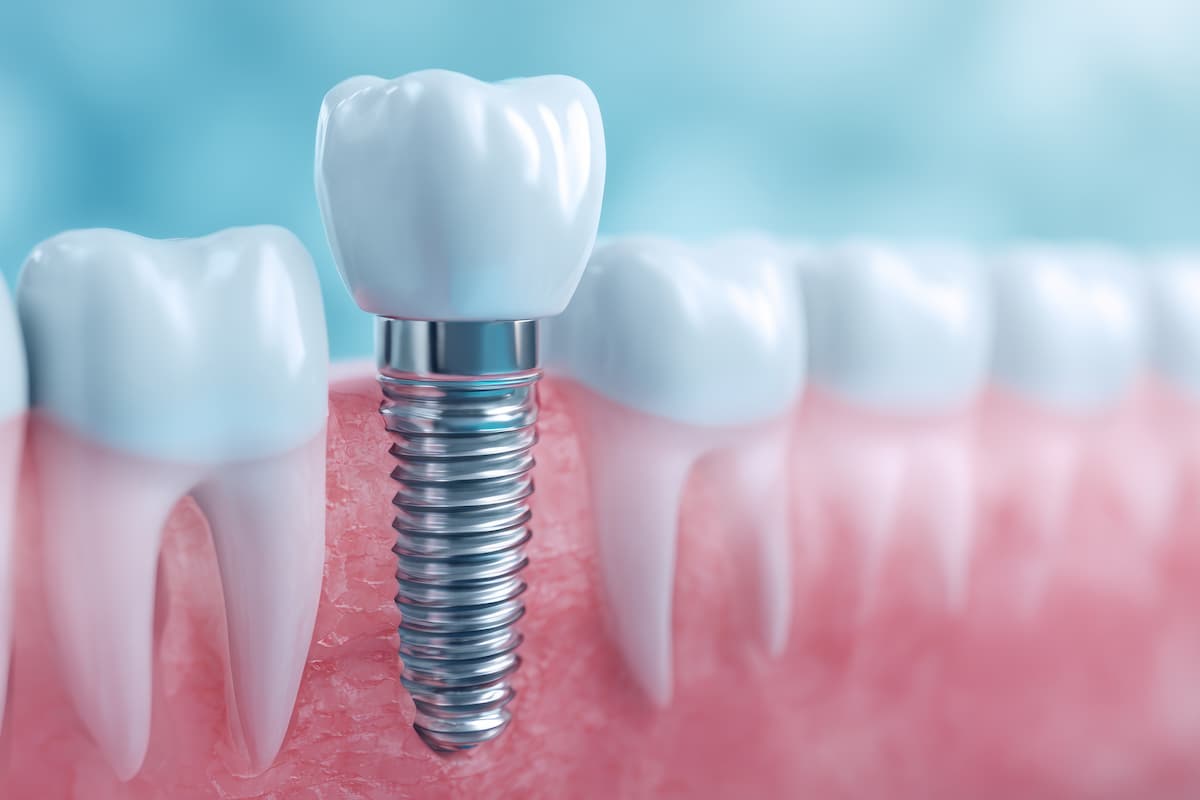
Dental implants are small titanium or titanium-zirconia fixtures placed into the jawbone to act as artificial tooth roots. They provide a stable foundation for replacement teeth, including crowns, bridges, or full-arch prostheses, and are designed to integrate with the surrounding bone through a process known as osseointegration.
A complete implant system typically comprises three components:
- The implant fixture — the post placed into the jawbone
- The abutment — the connector that links the fixture to the restoration
- The prosthetic restoration — the visible crown, bridge, or denture
Good dental implants function by replicating the structural role of a natural tooth root. This helps preserve jawbone density, support facial structure, and restore oral function. When placed and maintained correctly, well-placed dental implants can offer a durable, long-term solution for missing teeth — though individual outcomes vary depending on a wide range of clinical and lifestyle factors.
What Makes Some Dental Implants Better Than Others?
Not all implant systems are identical. There are meaningful differences between implant products that clinicians consider during treatment planning.
Implant Design and Surface Technology
The physical design of an implant — its thread pattern, diameter, and length — influences how effectively it integrates with bone tissue. Surface treatment technology, such as sandblasting or acid etching, is used to create a micro-textured surface that encourages bone cells to adhere during the healing process. Peer-reviewed clinical literature consistently identifies surface characteristics as a relevant factor in osseointegration outcomes.
Manufacturing Standards and Clinical Evidence
Implant systems that are supported by long-term clinical studies — some spanning 15 to 20 years — provide clinicians with greater evidence for expected performance. Regulatory compliance with standards such as ISO 13485 and CE marking under the UK Medical Devices Regulations is another marker of manufacturing quality.
Treatment Planning Quality
It is worth noting that even the most technically advanced implant system will not perform optimally without thorough clinical planning. Factors such as implant positioning, prosthetic design, and the management of any underlying oral health conditions all influence the outcome significantly. The clinical skill involved in planning and placing the implant is at least as important as the implant system itself.
Why There Is No Single "Best Dental Implant"
This is one of the most important points for any patient to understand. The concept of a universally best dental implant oversimplifies what is a genuinely complex clinical process.
What works well for one patient may not be appropriate for another. The following variables all influence which implant approach is most suitable:
- Bone volume and density — Patients with reduced bone density may require additional procedures before implant placement is possible
- Tooth location — Front teeth and back teeth face different functional loads, which affects implant design selection
- Number of missing teeth — Single-tooth, multiple-tooth, and full-arch cases require different clinical strategies
- Gum and oral health status — Active gum disease must be addressed before implant treatment can proceed
- General health factors — Certain systemic health conditions and medications may influence treatment suitability and timing
For patients considering implant treatment from UK providers, it is important to recognise that a reputable practice will always assess these factors thoroughly before recommending a treatment pathway. A consultation that begins with a detailed clinical assessment — rather than a pre-set treatment package — is a positive indicator of professional standards.
Some patients with insufficient bone volume may require bone grafting procedures before implants can be placed. This is a well-established preparatory procedure and does not necessarily make someone unsuitable for implants — it simply means the treatment pathway requires additional stages.
Factors That Influence Implant Success
Clinical research consistently identifies several factors as significant contributors to long-term implant outcomes. Understanding these helps patients play an active role in the success of their treatment.
- Oral hygiene — Consistent and thorough cleaning around implant restorations is essential to prevent peri-implant disease
- Smoking — Tobacco use is associated with higher rates of implant complications and reduced osseointegration in the clinical literature
- Gum health — A history of gum disease requires careful management; patients with gum disease history benefit from periodontal treatment support as part of their overall care plan
- Bone volume — Adequate bone at the implant site is necessary for stable long-term integration
- Treatment planning thoroughness — Accurate placement guided by imaging, and a prosthetic design that distributes bite forces appropriately, both influence durability
- Ongoing maintenance — Regular professional reviews allow early identification of any concerns, helping to protect the long-term investment
None of these factors are within the control of the implant brand alone. They reflect the broader clinical relationship between patient, clinician, and the care provided over time.
Dental Implant Costs vs Lower-Cost Implant Options
Cost is one of the most common concerns among patients researching implants, and it is a legitimate consideration. Dental implant treatment represents a meaningful financial commitment, and it is natural to ask whether there are more affordable routes.
Lower-Cost Dental Implants: What to Consider
For patients wondering where to find more affordable dental implants, it is important to understand what accounts for differences in pricing. Implant treatment costs typically reflect:
- The implant system selected
- The clinical expertise and qualifications of the team
- Diagnostic technology used (such as 3D CBCT scanning)
- The prosthetic components and laboratory work involved
- Follow-up care and aftercare protocols
Finding the lowest-cost and highest-quality place for dental implants is not always a straightforward equation. Lower-cost treatment may involve different implant systems, fewer diagnostic steps, or variations in the level of aftercare provided. This does not mean lower-cost treatment is inherently unsuitable — but it does mean patients should ask detailed questions about what is included at any price point.
A transparent practice will be willing to explain exactly what their fees cover, which implant systems they use, and what follow-up support is included. Comparing providers on this basis — rather than on headline price alone — leads to more informed decision-making.
How to Choose a Reputable Implant Provider
Identifying a suitable implant provider involves evaluating a number of practice-level criteria rather than simply selecting the nearest or lowest-cost option.
Key Indicators of a Reputable Implant Provider
When researching implant providers in the UK, consider the following:
- Clinical experience — How long has the practice been providing implant treatment? Are the clinicians able to discuss their training and experience?
- Diagnostic technology — Does the practice use 3D cone beam CT (CBCT) scanning to plan implant placement accurately?
- Transparency in communication — Does the practice provide a detailed written treatment plan, including costs, stages, and alternatives?
- Aftercare and maintenance protocols — What follow-up appointments are included? How does the practice manage complications if they arise?
- Patient communication — Are you given sufficient time to ask questions and consider your options before committing?
Finding the right place for dental implants is ultimately about finding a practice that prioritises thorough assessment, honest communication, and high clinical standards. If you are comparing clinics, this guide on what to look for in a private dentist can help frame useful questions.
Full-Arch and Complex Implant Solutions
For patients who are missing multiple teeth or require full-arch restoration, the clinical considerations become more complex. Full-arch implant treatment — such as implant-supported bridges resting on a reduced number of implant fixtures — requires highly specific planning, including assessment of bone volume across the entire arch, occlusal (bite) planning, and precise prosthetic design.
These cases benefit from a multidisciplinary approach, where implant placement and prosthodontic restoration are planned in close coordination from the outset. Patients exploring full-arch implant solutions should expect a comprehensive assessment that considers their full oral health picture before any treatment pathway is recommended.
The Role of Prosthodontics in Long-Term Implant Outcomes
The implant fixture is only one element of a successful tooth replacement. The prosthetic restoration — whether a crown, bridge, or full-arch prosthesis — must be designed and fitted to precise standards to ensure comfortable function, aesthetic integration, and long-term stability.
Prosthodontics is the dental specialty concerned with the design, manufacture, and fitting of these restorations. The quality of prosthodontic work influences how forces are distributed across the implant, how the restoration fits with surrounding teeth, and how manageable long-term maintenance is for the patient.
Patients who are considering complex or full-arch cases, or who have had previous restorations that have not performed as expected, may benefit from prosthodontic rehabilitation as part of their overall care plan.
Questions to Ask Before Choosing Implant Treatment
Before proceeding with any implant treatment, patients are encouraged to ask the following:
- What implant system is being used, and what is the clinical rationale for that choice?
- What diagnostic assessments will be carried out before treatment is planned?
- What maintenance will be required after treatment, and what does that involve?
- What alternative treatments exist for my situation, and why is implant treatment being recommended?
- What follow-up care and aftercare is included in the treatment plan?
- What factors most influence the long-term outcome in my specific case?
- What happens if additional procedures — such as bone grafting — are required?
- How will complications be managed if they arise during or after treatment?
A practice committed to transparent, patient-centred communication will welcome these questions and provide clear, detailed answers.
Implant Consideration Comparison Table
| Consideration | Implant System Quality | Provider Clinical Experience | Long-Term Value |
|---|---|---|---|
| Clinical Planning | Important | Very Important | Important |
| Implant Brand | Important | Moderate | Moderate |
| Maintenance Protocols | Important | Important | Very Important |
| Cost as Sole Factor | Limited Indicator | Limited Indicator | Limited Indicator |
| Long-Term Outcomes | Important | Very Important | Very Important |
When Should You Seek Professional Advice?
There is no single right time to begin exploring implant treatment. However, there are circumstances where seeking a professional assessment sooner rather than later is advisable:
- You have one or more missing teeth and are considering your longer-term replacement options
- You have a failing restoration — such as a bridge or denture — that is affecting your comfort or confidence
- You are planning ahead and want to understand your options before making a decision
- You have been told that implants may not be suitable for you and would like a second assessment
A smile assessment provides an opportunity to discuss your individual circumstances with a qualified professional, understand what treatment may be appropriate, and ask questions without any obligation to proceed. It is an educational conversation, not a sales process.
Local Considerations for Patients in Central London
Patients in Central London often compare providers based on clinical standards, continuity of care, and the practicality of follow-up appointments around work schedules. For implant treatment, local accessibility matters because reviews, hygiene maintenance, and prosthetic checks are part of long-term success.
If you are exploring options near Marylebone and Harley Street, focus on whether a practice offers structured diagnostics, clear written planning, and ongoing maintenance support rather than relying on marketing claims alone.
Frequently Asked Questions
What are the best dental implants?
The most appropriate dental implants for any individual patient are those suited to their specific clinical circumstances — including bone volume, tooth location, oral health status, and treatment goals. There is no single implant brand or system that is universally superior. A thorough clinical assessment is necessary to identify the most suitable approach for each patient.
Are expensive implants always better?
Not necessarily. While higher costs often reflect greater clinical expertise, advanced diagnostics, and comprehensive aftercare, the relationship between price and outcome is not linear. What matters most is the quality of clinical planning, the experience of the treating clinician, and the level of ongoing support provided — all of which should be explored before committing to any provider.
What are good dental implants made from?
Good dental implants are most commonly manufactured from commercially pure titanium or titanium alloy, both of which have an established track record of biocompatibility and osseointegration in peer-reviewed clinical literature. Some implant systems use zirconia (ceramic) materials, which may be preferred in certain clinical situations. Your clinician can discuss which material is most appropriate for your case.
How do I choose a reputable dental implant provider in the UK?
Look for practices that offer thorough pre-treatment assessment, use recognised diagnostic technology such as 3D scanning, provide transparent written treatment plans, and are staffed by clinicians with verifiable implant training and experience. Accreditation by relevant professional bodies and a clear aftercare protocol are also positive indicators.
What should I look for in an implant provider?
A suitable implant provider will prioritise clinical thoroughness, honest communication, and clearly defined aftercare. Ask about the diagnostic process, the implant systems available, how complications are managed, and what long-term maintenance involves. Avoid making decisions based on price alone.
Can lower-cost implants still be effective?
Lower-cost implant treatment can be clinically effective, but patients should ensure they understand what the pricing includes. Differences in cost often reflect variations in the implant system, the level of diagnostics performed, and the follow-up care provided. Asking detailed questions about what is included at any price point is essential.
How long do dental implants typically last?
Long-term clinical studies have followed implants over periods of 15 to 20 years, with many well-maintained implants remaining stable over that timeframe. However, individual outcomes vary considerably and are influenced by oral hygiene, lifestyle factors, gum health, and the quality of ongoing maintenance. No specific longevity can be guaranteed for any individual patient.
What factors influence implant success?
Key factors include bone volume at the implant site, gum health, smoking status, oral hygiene practices, the quality of clinical planning and placement, and consistent professional maintenance. Both patient-related and clinician-related factors contribute meaningfully to long-term outcomes.
Are full-arch implants different from single implants?
Yes. Full-arch implant solutions — such as implant-supported bridges placed on multiple fixtures across the jaw — involve considerably more complex planning than single-tooth implant cases. They require assessment of bone volume across the full arch, detailed occlusal planning, and close coordination between implant placement and prosthodontic design. The clinical process is more involved and typically requires more preparatory assessment.
When should I seek professional advice about implants?
If you have missing teeth, failing restorations, or are simply beginning to explore your tooth replacement options, a professional assessment is a sensible starting point. There is no obligation to proceed with treatment following a consultation — it is primarily an opportunity to understand your options and ask questions in a clinical setting.
A Note on Next Steps
If you are beginning to consider dental implant treatment, the most useful thing you can do is arrange a professional assessment with a qualified clinician. This provides the clinical information needed to understand whether implants are appropriate for your circumstances, what any treatment pathway might involve, and what factors will influence the outcome in your individual case.
Implant treatment is a considered decision — one that benefits from being made on the basis of accurate clinical information rather than marketing alone. Taking the time to ask the right questions and seek thorough professional advice is the foundation of a well-informed choice.
Disclaimer
This article is for educational purposes only and does not constitute dental or medical advice. Suitability for implant treatment varies by patient and can only be determined through individual clinical assessment by a qualified dental professional. No specific treatment outcomes are guaranteed.
References to common search phrases, including terms such as "best dental implants," are used for patient education and topic clarity only and do not represent objective claims of superiority over other providers or treatments.
At Wimpole Dental Office, treatment is provided by General Dental Council (GDC) registered dental professionals, and the practice is regulated by the Care Quality Commission (CQC). Informed consent is obtained before treatment after discussing expected benefits, potential risks, limitations, and suitable alternatives.
This content is prepared with regard to the UK CAP Code, as enforced by the Advertising Standards Authority (ASA), and does not present guaranteed or universally superior treatment outcomes.

 Great dentist had my first appointment/consultation today for tooth enlightening! Really informative, patient DR who has a genuine intrest in your teeth and Keeping the cost low! :)


