
Why Do My Back Teeth Hurt? Causes, Sensitivity & When to See a Dentist
31 July 2026
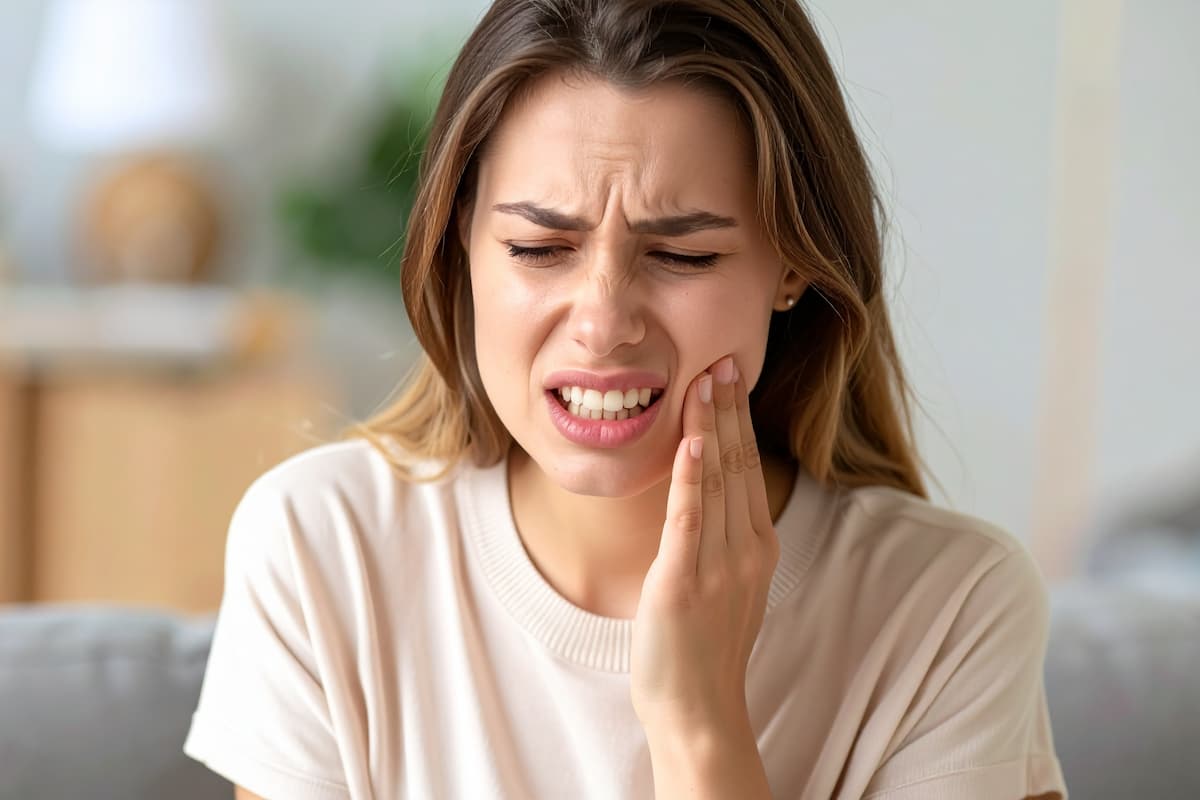
If your back teeth hurt — whether when biting, sipping something cold, or seemingly out of nowhere — it can feel unsettling. Molar discomfort is one of the most common reasons people contact a dentist, and it is rarely something you have to simply put up with. Understanding what might be happening is the first step towards feeling better.
Back teeth hurt for a wide variety of reasons, ranging from enamel wear and exposed dentine to cracked teeth, failing fillings, gum changes, or even the effects of clenching and grinding during sleep. Sensitivity can vary in character — sharp and fleeting, or dull and persistent — and while many causes are straightforward to address, some symptoms do benefit from timely professional assessment.
Why Do My Back Teeth Hurt?
Back teeth — your molars and premolars — bear the greatest force during chewing, which makes them more vulnerable to certain types of damage and discomfort over time. Pain in this area may be caused by enamel wear, a developing cavity, a cracked tooth, gum recession, or an inflamed dental pulp. In some cases, upper molar pain can even be linked to sinus pressure rather than the tooth itself.
- Back molars absorb significantly more bite force than front teeth
- Decay, cracks, and worn fillings are among the most frequent causes of molar pain
- Pain character (sharp, dull, throbbing, pressure-related) offers diagnostic clues
- Not all back tooth discomfort signals an emergency, but persistent symptoms deserve attention
The location and quality of the pain can help narrow down what is happening. Pain that arrives sharply when you bite down often points to a structural issue — a crack or a failing restoration. Pain triggered by hot or cold drinks tends to suggest dentine exposure or pulp sensitivity. A constant, throbbing ache may indicate that the nerve inside the tooth has become involved. A dentist can examine these symptoms properly and take X-rays where needed to establish the underlying cause with confidence.
It is worth noting that your back teeth are doing significant mechanical work every day. Even small changes — a slightly altered bite, a hairline crack, or early enamel erosion — can produce noticeable discomfort. This is not unusual, and in many cases, the cause is entirely treatable once identified.
What Causes Back Tooth Pain When Biting or Chewing?
Pain when biting or chewing is one of the clearest signs that something physical has changed within or around a back tooth. This type of pressure pain usually points to a structural problem — and the sooner it is assessed, the wider the range of treatment options typically available.
- A cracked tooth is a common cause of sharp pain specifically on biting
- A loose, broken, or decayed filling can leave tooth structure exposed and vulnerable
- A bite that sits unevenly can load specific teeth with excessive force
- A dental abscess may cause persistent pressure sensitivity alongside swelling or tenderness in the gum
Cracked Tooth
Cracked tooth syndrome is a well-recognised dental condition where a fracture — sometimes too small to appear on an X-ray — causes pain when pressure is applied and then released. The pain is often described as a sudden, sharp sensation that disappears almost immediately after biting. It can affect otherwise healthy teeth, particularly those that have been heavily restored or subjected to grinding forces over many years. Treatment depends on the depth and position of the crack, and may range from a protective crown to more involved restorative care.
Filling Problems
Old or defective fillings can develop gaps, cracks, or areas of secondary decay around their margins. When this happens, the underlying dentine becomes exposed, and chewing pressure can be transmitted directly to sensitive tooth tissue. If you have noticed that chewing pain has developed around a tooth that was previously filled, this is worth raising with your dentist — replacing or repairing the filling can often resolve the problem straightforwardly.
Bite Imbalance
If your bite sits slightly unevenly — sometimes following new dental work, tooth movement, or natural wear — certain teeth may receive disproportionate loading. This can cause a tooth to feel sore when chewing, even in the absence of decay or structural damage. An occlusal adjustment, where a dentist carefully reshapes the biting surface to redistribute forces evenly, can make a significant difference in these cases.
Why Is My Tooth Sensitive to Hot and Cold?
A tooth that reacts sharply to temperature — cold drinks, hot food, or even cold air — is experiencing what clinicians describe as dentinal hypersensitivity or, in more significant cases, pulp involvement. Understanding which layer of the tooth is affected helps determine both the urgency and the most appropriate response.
- Cold sensitivity that passes within seconds is typically associated with exposed dentine
- Heat sensitivity, or pain that lingers after the stimulus is removed, may suggest inflamed or compromised dental pulp
- Multiple back teeth reacting simultaneously can indicate widespread enamel loss or gum recession
Enamel Wear
Enamel is the hard outer layer of the tooth. When it thins — through acidic erosion from diet or reflux, aggressive brushing, or physical wear — the dentine beneath becomes less well insulated from temperature changes. Dentine contains microscopic tubules that connect to the nerve, and fluid movement within these tubules is what produces the sharp, fleeting sensation many people describe as tooth sensitivity. Strengthening enamel with high-fluoride toothpaste and addressing dietary acid can support recovery, though enamel lost to erosion does not regenerate independently.
Exposed Dentine
Dentine exposure can occur not only through enamel loss but also through gum recession, which gradually uncovers the root surface of a tooth. Root dentine is not protected by enamel at all, making it particularly reactive to cold temperatures. Desensitising toothpaste applied consistently can reduce this sensitivity over several weeks, and a dentist may recommend a protective coating or bonding agent for more pronounced cases.
Gum Recession
Gum tissue can recede for a number of reasons — periodontal disease, overly vigorous brushing technique, or simply natural ageing. When the gum margin drops, the tooth root is exposed, and this area is often noticeably more sensitive to both cold and hot stimuli. Addressing the underlying cause of recession — whether through improved brushing technique, periodontal treatment, or protective restoration — is the most effective long-term strategy.
Why Do All My Molars Hurt?
When discomfort seems to affect multiple back teeth simultaneously, rather than a single identifiable tooth, the cause is often systemic rather than localised. This pattern of widespread molar pain is worth understanding clearly, as it tends to have different origins from single-tooth pain.
- Bruxism (tooth grinding and clenching) is a leading cause of diffuse molar discomfort
- Widespread enamel erosion from dietary acid or acid reflux can create sensitivity across multiple teeth
- Sinus congestion or sinusitis can produce a referred ache felt across several upper back teeth
- Generalised gum inflammation or periodontal disease may cause multiple teeth to feel sore simultaneously
Grinding and Clenching (Bruxism)
Bruxism is far more common than many people realise, and it frequently occurs during sleep without the person being aware of it. The repetitive, high-force contact between teeth gradually wears enamel, stresses the dental pulp, and can cause the jaw muscles to ache — all of which contribute to that familiar feeling of waking up with sore or achy molars. If this sounds familiar, our guide on aching teeth and jaw pain explains common clenching patterns in more detail. A custom-made occlusal splint (often called a nightguard) worn during sleep can help distribute and reduce these forces, protecting the teeth from further wear.
Sinus Pressure and Upper Molar Pain
The roots of the upper back molars sit in close proximity to the maxillary sinuses. When sinuses become congested or inflamed — during a cold, hay fever season, or a sinus infection — pressure can build and be perceived as tooth pain across the upper molar region. This type of pain often affects several teeth on one side and may worsen when you lean forward or move your head. A distinguishing feature is that multiple upper teeth feel equally tender rather than one tooth being more painful than others, and there is often no reaction to biting on a single tooth specifically.
Why Do My Teeth Ache All of a Sudden?
Sudden tooth aching, without an obvious preceding event, can feel alarming — but there are several identifiable explanations that are both common and clinically well understood.
- Dietary changes — particularly increased consumption of acidic foods and drinks — can rapidly increase dentine sensitivity
- Tooth whitening products temporarily increase sensitivity by opening dentine tubules during the process
- Recent dental treatment can leave teeth sensitive for days to several weeks as tissue settles
- Seasonal temperature changes and sudden exposure to very cold air can trigger discomfort in already-sensitive teeth
- Inflammation of the dental pulp — sometimes triggered by deep decay, trauma, or a heavily restored tooth — can cause aching that seems to arrive without warning
If all your teeth hurt suddenly and you have recently introduced a new whitening treatment or significantly changed your diet, this is likely the explanation — and it is usually self-limiting once the trigger is removed or adjusted. However, if the aching is persistent, worsening, or accompanied by swelling, it merits prompt dental assessment. You can contact the emergency dentist team if symptoms develop urgently.
Could Tooth Sensitivity Be a Sign of Something More Serious?
Sensitivity is not always a benign, isolated finding. In some cases, it represents the early warning of a more significant underlying condition — and distinguishing between routine sensitivity and something that requires clinical attention is genuinely important.
- Reversible pulpitis describes a state where the dental pulp is inflamed but can recover with appropriate treatment; sensitivity is typically triggered by temperature and passes quickly
- Irreversible pulpitis occurs when pulp inflammation has progressed beyond recovery; pain may be spontaneous, prolonged, and may be worse at night
- A cracked tooth that reaches the pulp, or untreated deep decay, can progress to pulp infection if left unaddressed
- Periodontal disease — infection and inflammation of the gum and bone supporting the teeth — can cause multiple teeth to become sensitive and mobile over time
Understanding the difference between a tooth that is sensitive to cold for a second or two and one that aches for minutes after a stimulus, or throbs during the night, is clinically significant. The former is often manageable conservatively; the latter may indicate that the pulp has become involved and that treatments such as root canal treatment need to be considered. Early assessment generally preserves more treatment options, which is why persistent or worsening pain should not be left unaddressed for an extended period.
How Can You Help Sensitive Teeth at Home?
Several evidence-supported approaches can meaningfully reduce tooth sensitivity at home, though they work best when the underlying cause has been identified — or is clearly benign — rather than as a substitute for professional assessment.
- Desensitising toothpaste: Products containing potassium nitrate or stannous fluoride work by blocking dentine tubules or reducing nerve excitability. Consistent daily use over several weeks is needed for noticeable benefit; applying a small amount directly to the sensitive area with a fingertip after brushing can enhance the effect.
- Fluoride: High-fluoride toothpastes (such as those available on prescription or over the counter at 1450ppm) help strengthen enamel and support remineralisation. Using fluoride mouthwash at a separate time from brushing adds additional protection.
- Brushing technique: Hard-bristled brushes and vigorous scrubbing increase enamel wear and gum recession. A soft-bristled brush with gentle, circular or modified Bass technique strokes is recommended by dental professionals across the UK.
- Dietary adjustments: Reducing the frequency of acidic foods and drinks — citrus fruits, fizzy drinks, vinegar-based dressings — limits enamel erosion. When consuming acidic items, drinking water alongside and waiting 30 to 60 minutes before brushing reduces further mechanical damage.
- Avoiding triggers where safe to do so: If very cold drinks reliably provoke discomfort, using a straw can reduce direct tooth contact while you address the underlying cause.
These measures can genuinely help, particularly for mild sensitivity linked to enamel thinning or dentine exposure. They are less effective where a cavity, crack, or pulp problem is present — and should not delay assessment where symptoms are significant.
Professional Treatments for Sensitive and Painful Back Teeth
Where home measures are insufficient, or where the cause of back tooth pain is structural or progressive, a range of professional treatments is available. The most appropriate approach depends on what is causing the discomfort, assessed through examination and X-rays.
- Fluoride varnish: Applied in-surgery, professional-strength fluoride varnish provides a more concentrated and sustained desensitising effect than home products, and is often the first clinical step for generalised sensitivity.
- Bonding agents and resin sealants: Where dentine is exposed at the root surface or at areas of enamel loss, a thin bonding agent can seal the exposed tubules effectively and provide durable relief.
- Replacing or repairing defective fillings: A filling that has cracked, shrunk away from the tooth margin, or developed secondary decay can be replaced to restore proper tooth protection. Restorative dentistry approaches vary depending on the extent of damage — from a direct composite filling to an inlay or crown.
- Root canal treatment: Where the dental pulp has become irreversibly inflamed or infected, root canal treatment removes the affected tissue, cleans the canal system, and seals the tooth — allowing it to be retained and restored. It is a routine procedure that alleviates pain rather than causing it, contrary to common perception.
- Occlusal adjustment: If uneven bite forces are loading specific teeth excessively, careful reshaping of the biting surfaces can redistribute pressure and reduce symptoms.
- Occlusal splint (nightguard): For patients experiencing bruxism-related molar pain, a custom-made splint worn at night protects the enamel, reduces muscle strain, and can significantly improve morning discomfort over time.
- Periodontal treatment: Where gum disease is contributing to sensitivity through bone loss and recession, appropriate periodontal treatment addresses the infection and helps stabilise the supporting structures.
Each of these approaches addresses specific underlying causes, and a treatment recommendation will always follow proper clinical assessment rather than a self-reported symptom alone.
When Should You Contact a Dentist?
Most dental discomfort benefits from timely professional assessment, but certain symptoms indicate that you should seek help promptly rather than waiting for a routine appointment.
Contact a dentist soon if you experience:
- Persistent toothache lasting more than two or three days
- Pain that wakes you from sleep or is present without any stimulus
- A visible crack, chip, or fragment of a tooth
- A broken or lost filling or crown
- Sensitivity that is worsening rather than settling
- Swelling of the gum around a tooth, or a visible "gumboil" (abscess)
Seek urgent dental care or contact NHS 111 if you notice:
- Facial swelling that is increasing or spreading towards your jaw or neck
- Difficulty swallowing
- Difficulty breathing
- Fever alongside rapidly worsening dental pain
Swelling that extends towards the neck, breathing difficulty, or fever alongside spreading infection are symptoms that warrant contact with NHS 111 or attendance at Accident & Emergency (A&E), as these may indicate a spreading dental infection requiring urgent medical input.
For non-emergency but urgent dental concerns, the Wimpole Dental emergency dentist service offers urgent appointments for patients experiencing significant dental pain or trauma, subject to availability.
Symptom Comparison Table
| Symptom | Possible Cause | Urgency |
|---|---|---|
| Sharp pain on biting, passes quickly | Cracked tooth or cusp fracture | See a dentist soon |
| Brief cold sensitivity, resolves in seconds | Exposed dentine or enamel wear | Routine appointment; try desensitising toothpaste |
| Pain lingering after hot stimulus | Inflamed or compromised dental pulp | See a dentist promptly |
| Dull ache across several upper molars | Sinus pressure or sinusitis | Monitor; see dentist if dental cause suspected |
| Aching molars on waking | Bruxism / night clenching | Routine dental assessment for nightguard |
| Throbbing pain, worsening over days | Dental abscess or pulp infection | Urgent dental appointment |
| Swelling and pain around a tooth | Dental abscess | Urgent dental appointment; NHS 111 if spreading |
| Facial swelling spreading to neck | Spreading dental infection | A&E or NHS 111 immediately |
| Soreness around a back tooth with loose filling | Defective restoration with secondary decay | See a dentist soon |
| Sensitivity across multiple teeth after whitening | Normal post-whitening response | Usually self-limiting; review with dentist if prolonged |
FAQs: Back Teeth Hurt — Common Patient Questions
Why do my back teeth hurt more at night?
Lying down changes blood pressure dynamics in the head and neck, which can intensify dental pain — particularly when the pulp is inflamed. Night-time pain that is spontaneous or wakes you from sleep is a sign that the dental nerve may be involved, and this is worth discussing with a dentist promptly rather than waiting to see whether it settles.
Why does my tooth hurt when I drink something cold but nothing else?
Cold sensitivity that is sharp and brief — lasting just a second or two — is typically a sign of exposed dentine rather than a deeper problem. When dentine tubules are open to the surface, temperature changes move fluid within them and trigger a nerve response. Desensitising toothpaste can help over several weeks, and a dentist can assess whether a protective coating or other support would be beneficial.
My tooth hurts only when I bite on one specific spot. What does this mean?
Localised bite pain — particularly if it is sharp and occurs when you chew on a particular side — often suggests a crack or fracture within the tooth, or a problem with an existing filling. This type of pain tends not to resolve on its own and benefits from clinical assessment, as the sooner a crack is identified, the more conservative the management approach can typically be.
I had a filling recently and now the tooth is sensitive. Is this normal?
Yes — post-operative sensitivity after a filling is common and well documented. The procedure itself causes minor inflammatory changes in the dental pulp, which can produce sensitivity for days to a few weeks. This usually settles without intervention. If sensitivity is increasing rather than improving after two to three weeks, or if you develop spontaneous pain, contact your dentist for a review.
Can teeth whitening make my back teeth more sensitive?
Whitening products — both professional and over-the-counter — temporarily increase dentine permeability, which can heighten sensitivity during and immediately after treatment. This effect is well recognised and is generally short-lived. Using a desensitising toothpaste before and during a whitening course can reduce this effect, and your dentist can advise on the most appropriate approach for your specific situation.
How long should tooth sensitivity last before I should be concerned?
Sensitivity that is mild, triggered by a known cause (such as recent whitening or a new filling), and trending towards improvement over one to two weeks is generally not cause for alarm. Sensitivity that persists beyond two to three weeks, is worsening, becomes spontaneous, or is accompanied by swelling or fever should be assessed by a dentist without further delay.
Could jaw clenching really make all my back teeth hurt?
Yes — bruxism places considerable repetitive force on the molars, stressing the enamel, the supporting bone, and the dental pulp. Many people are unaware they grind or clench during sleep. Symptoms often include morning jaw stiffness, headaches, and a generalised aching in the back teeth that is difficult to attribute to a single tooth. A dentist can examine the wear patterns on your teeth to determine whether bruxism is a likely factor.
My gums have receded around a back tooth and it's very sensitive. What can be done?
Gum recession exposes the root surface, which lacks enamel protection and is significantly more reactive to temperature and touch. Depending on the extent of recession and its cause, options may include desensitising agents applied in the surgery, a bonding material to seal the exposed surface, or — where recession is significant — a discussion of surgical options. Addressing the underlying cause (such as improving brushing technique or managing periodontal disease) is always part of the approach.
What is the difference between a cavity and tooth sensitivity?
Sensitivity and cavities can produce overlapping symptoms, but they are distinct conditions. Sensitivity typically involves a brief, sharp reaction to temperature or touch without a visible lesion. A cavity involves physical decay of the tooth structure — which may or may not be painful in its early stages. Only a dental examination with X-rays can reliably distinguish between the two, which is why persistent symptoms should be assessed clinically rather than self-diagnosed.
When should I go to A&E for tooth pain?
Tooth pain alone does not warrant an A&E visit. However, if you develop facial swelling that is expanding rapidly or spreading towards your neck, difficulty swallowing, or any difficulty breathing, these are signs of a potentially spreading infection that requires immediate emergency care. Contact NHS 111 for guidance, or go directly to A&E if breathing is affected.
Dental Disclaimer
This article is for general information only and does not replace professional dental advice, diagnosis, or treatment. If you have ongoing pain, swelling, or worsening symptoms, arrange an assessment with a GDC-registered dental professional. For urgent symptoms such as spreading facial swelling, difficulty swallowing, or breathing problems, contact NHS 111 or attend A&E. Wimpole Dental Office operates under CQC regulation, and treating clinicians are registered with the GDC.

 Great dentist had my first appointment/consultation today for tooth enlightening! Really informative, patient DR who has a genuine intrest in your teeth and Keeping the cost low! :)


