
How Modern Dental Practices Support Long-Term Oral Health
27 August 2026
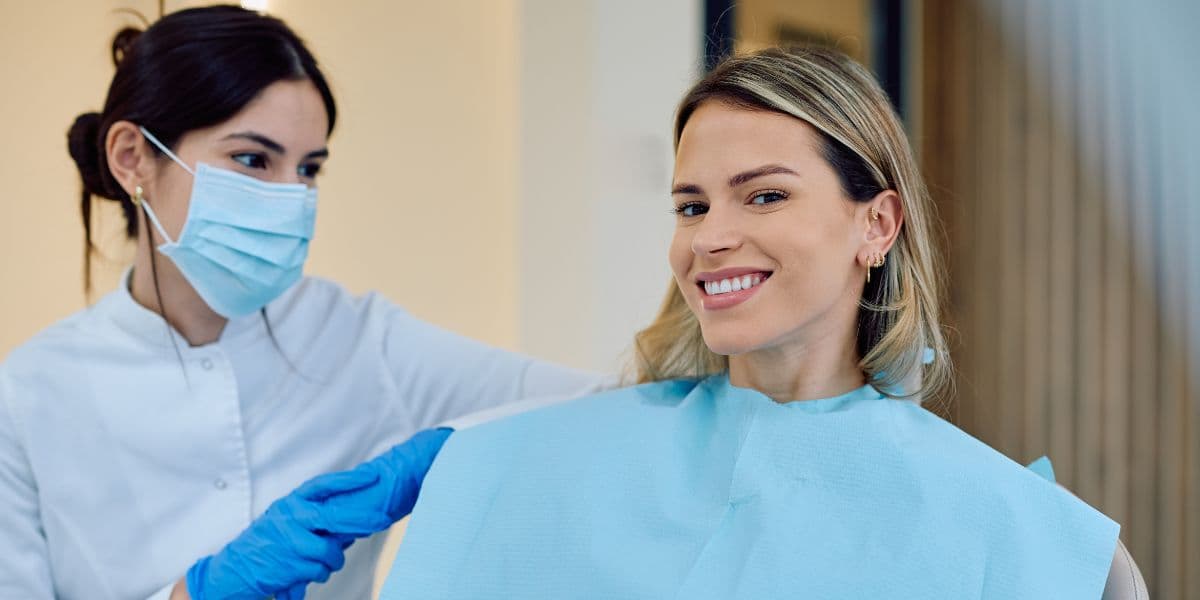
Good oral health is about far more than the absence of a toothache. It reflects years of consistent care, informed decisions and professional support. For many people, thinking about long-term oral health only becomes a priority when something goes wrong — but the evidence suggests that prevention and ongoing monitoring, carried out over time, are among the most meaningful steps a person can take to protect their teeth and gums.
Modern dental practices are better equipped than ever to support patients across the full arc of their oral health journey — not just when problems arise, but in reducing the risk that some problems develop in the first place.
What Does Long-Term Oral Health Mean?
Long-term oral health refers to the sustained condition of a person's teeth, gums and surrounding structures over months, years and decades — not simply the resolution of a current problem. It differs meaningfully from short-term dental treatment, which typically addresses an immediate concern such as a cavity or infection.
A patient whose toothache has been treated is not necessarily someone who is maintaining long-term oral health. Maintaining oral health over time involves consistent prevention, monitoring, early identification of changes and ongoing adjustments to care as circumstances evolve.
| Short-Term Dental Focus | Long-Term Oral Health Focus |
|---|---|
| Treating an existing problem | Preventing or identifying problems early |
| Immediate symptom management | Ongoing risk management |
| Individual procedure | Continuing maintenance |
| Single treatment episode | Long-term monitoring |
How Do Modern Dental Practices Support Long-Term Oral Health?
Modern dental practices can support long-term oral health by providing a structured, ongoing framework of preventive care, clinical monitoring and patient education — rather than simply offering a series of disconnected treatment episodes.
This broader preventive role has been shaped by shifts in how dental professionals, NHS guidance and bodies such as NICE approach oral health. The emphasis has moved firmly towards prevention, personalised risk assessment and continuity of care. Patients are increasingly encouraged to view dental attendance not as something reserved for problems, but as a regular part of maintaining their overall wellbeing.
Within a private dental practice in London, this often means more time for examination, more detailed risk conversations and a greater focus on tailoring preventive care to individual circumstances. However, the preventive principles apply across all settings.
Key ways modern dental practices contribute to long-term oral health include:
- Regular clinical monitoring of teeth, gums and soft tissues over time
- Early identification of changes before they progress significantly
- Personalised risk assessment based on a patient's history, lifestyle and clinical presentation
- Patient education on home care, diet and habits that affect oral health
- Maintenance reviews following restorative or periodontal treatment
- Continuity of care, which allows the dental team to track changes longitudinally
No dental practice can guarantee a particular outcome, and individual responses to care vary. However, a consistent, preventive approach is generally associated with more stable oral health outcomes over time.
Why Are Regular Dental Examinations Important?
Regular dental examinations are important because they allow a dental professional to monitor oral health over time, identify early changes and adapt care to a patient's evolving needs. The recommended interval between examinations varies according to individual risk factors, and your dental professional is best placed to advise on what is appropriate for you.
NHS guidance and NICE recommendations have moved away from a universal six-month recall and towards risk-based intervals — meaning that some patients may benefit from more frequent examinations, while those at lower risk may need them less often. The key point is that examinations should be regular enough to allow meaningful monitoring.
Monitoring Teeth and Gums
Each examination allows the dental team to assess the condition of individual teeth, the health of the gum tissue and the state of any existing restorations such as fillings, crowns or bridges. Periodontal charts — which measure the depth of the space between the gum and tooth — can be used over time to track gum health and detect early signs of changes. This longitudinal data is more informative than any single measurement taken in isolation.
Monitoring allows the dental team to spot gradual changes that a patient might not notice at home, such as subtle shifts in gum levels, early signs of wear or small areas of concern around existing dental work.
Identifying Changes Early
Early identification of problems — before they become symptomatic — is one of the most clinically meaningful contributions a regular examination can make. Tooth decay, for example, may begin as a small area of enamel weakening that is visible on examination or on a dental radiograph, long before pain or sensitivity develops. At this stage, a patient's own oral hygiene and diet can sometimes make a significant difference, potentially with professional support.
Similarly, early-stage gum disease — gingivitis — is generally reversible with appropriate professional care and improved home hygiene. Once gum disease has progressed to affect the bone supporting the teeth (periodontitis), management becomes more complex. Early identification creates more options.
Reviewing Individual Risk Factors
A good dental examination includes a review of a patient's risk factors — factors that can affect how their oral health evolves over time. These may include:
- Diet and sugar consumption
- Smoking or tobacco use
- Medical conditions and medications that affect the mouth
- History of previous dental disease
- Home oral hygiene practices
- Stress or lifestyle factors associated with tooth grinding
Understanding individual risk helps the dental team offer more relevant and tailored guidance, rather than generic advice that may not reflect a patient's actual situation. This is a core principle of a preventive dental care approach.
How Preventive Dental Care Helps Protect Teeth and Gums
Preventive dental care encompasses the professional and patient-led measures used to maintain oral health and reduce the risk of dental disease developing or progressing. No preventive strategy can eliminate all risk — individual factors always play a role — but a consistent preventive approach is often associated with greater oral health stability over time.
Plaque and Gum Health
Plaque — the sticky film of bacteria that forms on teeth — is the primary cause of both tooth decay and gum disease. When plaque is not adequately removed through daily brushing and interdental cleaning, it accumulates around the gumline and between teeth, where it can trigger an inflammatory response in the gum tissue.
Professional scale and polish treatments, carried out during dental appointments, can remove calculus (hardened plaque, also called tartar) that cannot be removed by brushing alone. This supports gum health, particularly in areas that are harder to clean at home. Your dental professional can advise whether and how frequently this would be appropriate for you.
Patients interested in understanding early gum changes at home may also find information about managing early gum symptoms useful, though professional assessment is always recommended.
Tooth Decay Prevention
Preventive dentistry takes several approaches to reducing tooth decay. These may include:
- Dietary guidance — discussing the frequency and type of sugar consumption, which affects acid exposure in the mouth
- Fluoride — professional fluoride treatments, where appropriate, can help strengthen enamel; NHS guidance and NICE also recommend fluoride toothpaste for most patients
- Fissure sealants — applied to the grooved surfaces of back teeth, particularly in younger patients, to reduce the risk of decay in these vulnerable areas
- Monitoring early lesions — some early areas of enamel change can be managed non-surgically with close monitoring and improved oral hygiene, depending on clinical assessment
Decay management has evolved, with a greater emphasis on prevention and monitoring of early lesions rather than immediate intervention in all cases. This more conservative approach aligns with current NHS and NICE guidance.
Oral Hygiene Advice
Informed, personalised oral hygiene advice can be more useful than general guidance. A dental hygienist or therapist can observe a patient's current brushing technique and identify areas that are consistently missed. They can recommend specific interdental cleaning methods — whether that is floss, interdental brushes or an alternative — based on the spacing and anatomy of a patient's teeth.
Patients interested in understanding oral hygiene products such as mouthwash can also find guidance on effective use to complement brushing and interdental cleaning. Mouthwash is generally a supplement to, not a substitute for, mechanical plaque removal.
How Modern Dental Technology Can Support Preventive Care
Modern dental technology can contribute to more accurate assessment, better monitoring and more informed clinical decisions. It is worth being clear, however, that technology supports clinical judgement — it does not replace it. Newer equipment is not automatically superior; what matters is how it is used within a structured and patient-centred preventive care approach.
Several technologies have become increasingly common in UK dental practice and can genuinely improve certain aspects of preventive assessment:
- Digital radiography: uses sensors rather than traditional X-ray film, typically producing a lower radiation dose and generating an immediate image that can be enlarged, adjusted and stored securely. For preventive monitoring, this means that changes between consecutive radiographs — even subtle ones — can be compared more precisely over time.
- Intraoral photography: allows the dental team to capture detailed images of individual teeth and areas of concern. These images can be shown to patients during their appointment, helping them understand what the dental professional is seeing. They can also be stored within digital records to enable meaningful longitudinal comparison. Spotting a change in the appearance of a tooth or gum over a period of months or years is considerably easier with photographic records than from memory or written notes alone.
- Digital clinical records: allow a comprehensive patient history — including periodontal measurements, risk factor discussions, treatment history and examination findings — to be stored, reviewed and updated at each appointment. This continuity of data supports long-term oral health monitoring in a way that paper-based records often struggle to replicate.
- Dental charting and periodontal screening tools: used consistently over time provide an evolving picture of a patient's gum health, enabling the dental team to identify trends and respond appropriately.
None of these technologies guarantee better clinical outcomes on their own. Their value lies in supporting more informed clinical decision-making and improving the quality of monitoring over time.
Why Personalised Dental Care Matters Over Time
Oral health needs are not static. They change across a patient's lifetime — influenced by age, hormonal changes, medications, systemic health, lifestyle and the accumulating history of previous dental treatment. Personalised care acknowledges this reality and responds to it.
A preventive care plan appropriate for a healthy twenty-year-old with no previous dental treatment is unlikely to remain relevant through their forties, fifties and beyond. As restorations age, as gum health may change and as medical circumstances evolve, the risks to oral health shift — and professional care should reflect that.
Age-related changes affecting oral health may include:
- Gum recession, which can expose root surfaces that are more susceptible to decay
- Medication-induced dry mouth (xerostomia), which reduces saliva's natural protective role
- Wear patterns from years of tooth grinding or an acidic diet
- Changes in manual dexterity that affect the ability to clean effectively at home
- Increased complexity of existing dental restorations requiring careful maintenance
- Previous dental treatment: also shapes long-term needs. A patient with multiple fillings, crowns or a dental implant requires monitoring of those restorations alongside their natural teeth. Restorations have a functional lifespan and may eventually need attention. Implants, for example, require ongoing professional maintenance to protect the surrounding tissue and bone.
The relationship between oral health and overall health is also relevant here. Certain systemic conditions — including diabetes and cardiovascular disease — have established associations with gum health. A dental team that understands a patient's medical history is better positioned to provide appropriately tailored care.
- Lifestyle factors: including smoking, alcohol consumption, diet and stress can meaningfully affect oral health risk over time. A personalised approach includes discussing these factors without judgement, and offering appropriate information and support.
How Dental Practices Help Patients Maintain Healthy Habits
One of the most valuable contributions a dental practice can make to long-term oral health is helping patients develop and sustain effective habits between appointments. Professional care, however thorough, cannot compensate for inadequate daily oral hygiene.
- Brushing: should be carried out twice daily using a fluoride toothpaste, with the last brush of the day being particularly important as it removes plaque accumulated throughout the day. Technique matters — gentle, methodical brushing that covers all surfaces of every tooth is more effective than vigorous scrubbing, which can cause gum recession or enamel wear over time. An electric toothbrush may be recommended for some patients, though a manual toothbrush used correctly can also be effective.
- Interdental cleaning: using floss, interdental brushes or other appropriate tools addresses the spaces between teeth that a toothbrush cannot reach. These are areas where both decay and gum disease often begin. The dental hygienist or therapist can advise on the most appropriate method and size of interdental brush for a patient's individual anatomy.
- Diet: plays a meaningful role in oral health. Frequent consumption of sugary or acidic food and drinks increases the amount of time that teeth are exposed to acid, which can contribute to enamel erosion and decay. Reducing the frequency of sugar intake — rather than necessarily the total amount — is a key piece of dietary guidance.
- Fluoride: remains one of the most evidence-supported preventive measures for tooth decay. NHS guidance recommends that adults brush with a fluoride toothpaste containing at least 1,350 ppm fluoride. Your dental professional may discuss whether additional fluoride support would be appropriate in your individual circumstances.
- Smoking cessation: support may be raised within a dental context, as smoking is associated with increased risk of gum disease, slower healing and other oral health concerns. Dental teams can signpost patients to appropriate NHS stop smoking services.
For practical guidance on building sustainable oral health habits, a structured approach informed by professional advice tends to be more effective than relying on general information alone.
Can Preventive Dentistry Reduce Future Dental Problems?
Preventive dentistry is generally associated with more stable oral health over time and may help reduce the risk of certain dental problems developing or progressing. However, it is important to be clear that no preventive approach can guarantee that a patient will never experience dental disease.
Several factors influence how effective preventive care can be for any individual:
- Genetic predisposition — some patients have a higher inherent susceptibility to gum disease or tooth decay, regardless of oral hygiene quality
- Medical and systemic factors — certain conditions and medications create oral health challenges that cannot be fully mitigated by preventive measures alone
- Compliance and consistency — the effectiveness of preventive care depends on both professional input and the patient's engagement with recommended home care
- Stage at which care begins — where damage has already occurred, prevention can limit further progression but cannot reverse it in all cases
With those limitations clearly stated, the evidence base for preventive dentistry is substantial. NHS guidance, NICE recommendations and the General Dental Council all support a preventive-first approach to dental care. Regular examinations, appropriate recall intervals, professional plaque management and patient education are all associated with improved oral health outcomes in the clinical literature.
The preventive pathway is not about perfection — it is about reducing modifiable risks and creating conditions in which teeth and gums are more likely to remain stable over time. Patients who have experienced significant dental problems in the past may still benefit considerably from a structured preventive approach going forward.
How Existing Dental Treatment Can Affect Long-Term Oral Health
A patient's history of dental treatment is an important part of their long-term oral health picture. Existing restorations, prosthetics and periodontal treatment outcomes all require ongoing attention to remain effective and to protect surrounding structures.
- Fillings and restorations: do not last indefinitely. Over time, the margin between a filling and a tooth can develop minor gaps where bacteria can accumulate, potentially leading to secondary decay. Regular examination allows the dental team to monitor the integrity of restorations and address any concerns at an early stage, before more extensive treatment becomes necessary. A discussion of restorative dental care in the context of long-term maintenance may be relevant for patients with a significant history of previous treatment.
- Crowns and bridges: similarly require monitoring. The teeth or implants supporting a bridge, and the tooth beneath a crown, remain susceptible to decay and gum disease. Cleaning around these restorations often requires particular care, and the dental team can advise on the most effective methods.
- Dental implants: require lifelong professional maintenance to support the health of the surrounding gum and bone. Peri-implant disease — inflammation affecting the tissue around an implant — can develop if plaque is not adequately controlled. Regular monitoring by the dental team, combined with thorough home care, can support the long-term stability of implants, though individual outcomes vary.
- Periodontal treatment: outcomes benefit significantly from ongoing maintenance. Research consistently indicates that patients who complete an active phase of periodontal treatment and then engage in a structured maintenance programme tend to have more stable outcomes than those who do not. The maintenance phase is not a lesser version of treatment — it is an essential continuation of it.
The principle across all of these areas is the same: existing dental work creates a changed oral environment that benefits from appropriate professional monitoring over time.
What Should Patients Ask About Long-Term Oral Health?
A dental appointment is an opportunity not just to receive care, but to understand it. Patients who feel informed about their oral health and their individual risk factors are generally better positioned to make decisions that support long-term wellbeing.
The following questions may be helpful to raise during a dental consultation:
- What is my current gum health status, and how has it changed since my last appointment?
- Are there any areas of my mouth that need closer monitoring, and why?
- What are the most important things I can do at home to support my oral health between appointments?
- Is my recommended recall interval still appropriate for my current risk level?
- Are any of my existing restorations showing signs of wear or change?
- Are there lifestyle factors I should be aware of in the context of my oral health?
- If I have had periodontal treatment, what does my maintenance programme involve going forward?
- How can I improve my interdental cleaning, and is my current approach effective?
These questions support a more collaborative approach to dental care — one where the patient is an active participant in maintaining their oral health rather than a passive recipient of treatment. For patients who are looking to establish this kind of relationship with a dental practice, understanding what to look for when choosing a dentist may also be a useful starting point.
When Should You Seek Professional Dental Advice?
For most patients, the appropriate time to seek professional dental advice is at their next scheduled examination, unless they experience symptoms that suggest something needs earlier attention.
Symptoms that warrant contacting a dental practice promptly — rather than waiting for a routine appointment — may include:
- Persistent toothache or pain that is worsening
- Significant sensitivity to temperature that is new or increasing
- Swollen, bleeding or tender gums that are not improving
- Loose teeth in adults
- Changes in the way the teeth bite together
- Visible changes to the gums, tongue or inside of the mouth that have not resolved within two to three weeks
- A broken or lost restoration that is causing discomfort or risk of further damage
For any dental concern, contacting your dental practice for guidance is always the appropriate first step.
It is important to add a note about urgent symptoms here in the interests of patient safety: In rare cases, dental infections can spread beyond the mouth. If you experience significant facial or neck swelling, difficulty swallowing or breathing, or you feel acutely unwell alongside a dental problem, these may indicate a spreading infection requiring urgent medical attention. In this situation, contact NHS 111 immediately or attend your nearest A&E department. Do not delay seeking help in these circumstances.
Frequently Asked Questions
How often should my preventive dental care be reviewed?
The frequency of preventive care reviews depends on your individual risk level, which your dental professional will assess at each appointment. NHS and NICE guidance supports a risk-based approach rather than an automatic six-month recall for everyone. Some patients may benefit from more frequent monitoring; others at lower risk may need examinations less often. Your dentist is best placed to advise on what is appropriate for you personally.
Do I still need regular examinations if my teeth feel fine?
Yes. Many conditions that affect teeth and gums — including early-stage decay, beginning gum disease and certain changes to soft tissues — may not cause noticeable symptoms in their early stages. Regular examinations allow the dental team to identify changes before they become symptomatic, when more options for management are often available. The absence of pain does not confirm the absence of a problem.
Do dental needs change as I get older?
Yes, oral health needs typically evolve over time. Factors including gum recession, dry mouth associated with medications, wear, changes in manual dexterity and the ageing of existing restorations all mean that dental care should be reviewed and adjusted as a patient's circumstances change. A preventive plan from earlier decades may not remain fully appropriate in later life without review.
How does my lifestyle affect my long-term oral health?
Several lifestyle factors have established associations with oral health. Smoking is associated with increased gum disease risk and slower healing. Frequent sugar or acid consumption increases decay risk. Alcohol consumption can affect gum and soft tissue health. Stress may be associated with tooth grinding. Discussing these factors openly with your dental team allows care to be tailored more meaningfully to your actual situation.
Can I maintain long-term oral health even if I have had significant dental treatment in the past?
Yes. While previous dental disease means that a patient has experienced some damage, a structured preventive approach going forward can support greater stability and reduce the risk of further problems. Existing restorations, implants and periodontal treatment outcomes all benefit from ongoing professional maintenance alongside consistent home care.
What should I watch for between dental appointments?
Between appointments, it can be helpful to note any changes such as new sensitivity, bleeding when brushing or flossing, swelling around a tooth or in the gum, a change in how teeth fit together, or any new or persistent changes to soft tissues in the mouth such as ulcers or patches that do not resolve within two to three weeks. These warrant professional assessment rather than self-management.
Does preventive dental care differ from one patient to another?
Yes, meaningfully so. Preventive care is most effective when it reflects a patient's individual risk profile, medical history, lifestyle, previous dental treatment and current oral health status. Personalised preventive care is more clinically relevant than a generic approach, which is one reason why the relationship with your dental team over time has value.
How does diet affect long-term dental health specifically?
Diet affects oral health in two main ways: through the frequency of sugar exposure, which provides fuel for the bacteria that cause decay, and through the acidity of foods and drinks, which can erode enamel over time. It is not just total sugar intake that matters — frequent exposure throughout the day is more damaging to teeth than the same amount consumed less frequently. Your dental team can offer personalised dietary guidance based on your clinical presentation.
Is preventive care relevant if I already have gum disease?
Yes. For patients with a history of gum disease, preventive and maintenance care is particularly important. Gum disease can progress if plaque is not consistently controlled, and regular professional monitoring allows any changes to be identified early. Structured maintenance following active periodontal treatment is associated with more stable long-term outcomes and is considered an essential part of ongoing care.
Can I judge the effectiveness of my home oral hygiene myself?
To some extent, yes — signs such as bleeding gums, persistent bad breath or visible plaque can indicate areas where home care may need improvement. However, a professional assessment is more reliable, as it identifies specific areas being missed, checks for conditions that are not visually obvious to the patient and provides personalised advice. Self-assessment is a useful prompt, but it is not a substitute for regular professional examination.
Dental Disclaimer
This article is for educational purposes only and is not a substitute for professional dental advice. Do not use this content to diagnose conditions or make treatment decisions without a clinical assessment. Wimpole Dental Office is regulated by the Care Quality Commission (CQC), and treatment is provided by General Dental Council (GDC) registered professionals. This content is prepared with regard to the UK CAP Code, as enforced by the Advertising Standards Authority (ASA), and does not claim guaranteed or universally superior outcomes. If symptoms are severe or worsening (including facial/neck swelling or difficulty swallowing/breathing), contact NHS 111 or attend A&E immediately.
Written Date: 27 August 2026 Next Review Date: 27 August 2027

 Great dentist had my first appointment/consultation today for tooth enlightening! Really informative, patient DR who has a genuine intrest in your teeth and Keeping the cost low! :)


