
Cosmetic Dentistry Dental: Treatments, Options and Considerations
17 September 2026
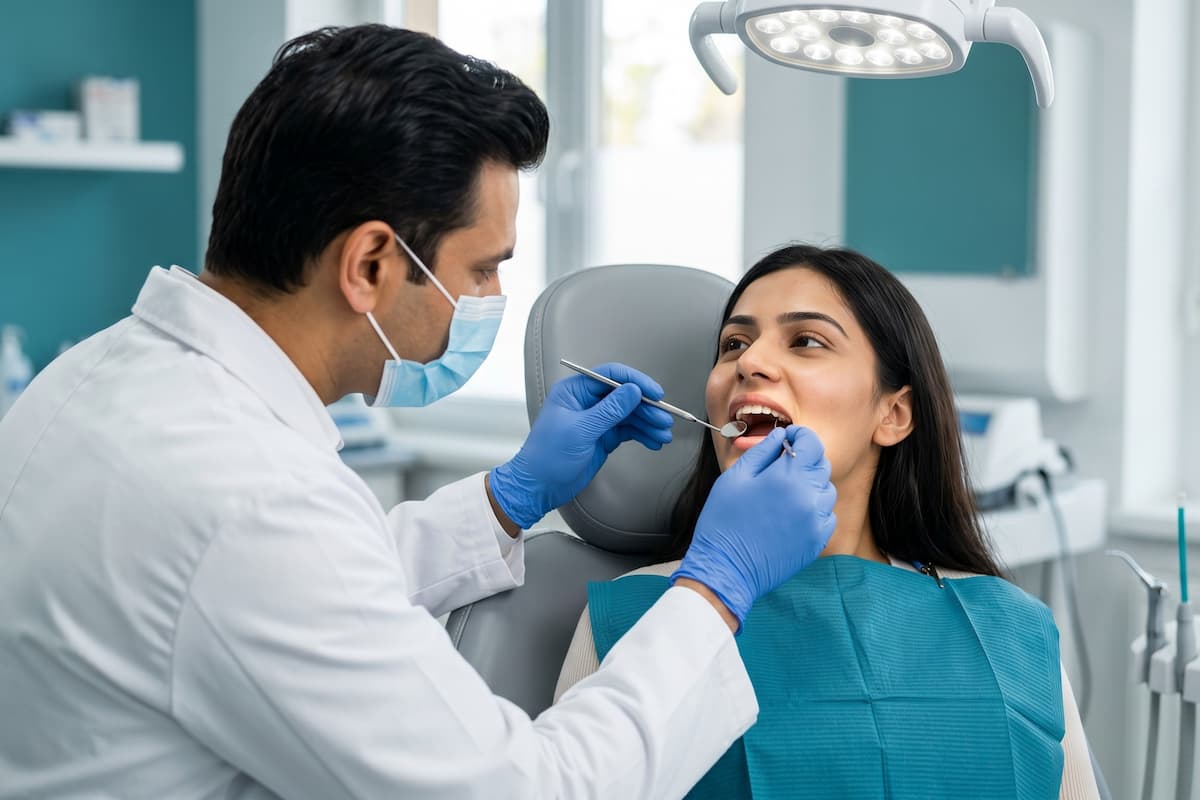
Many people explore cosmetic dentistry dental options when they feel self-conscious about the appearance of their teeth. Whether that relates to discolouration, chips, gaps, or missing teeth, a growing range of treatments can address aesthetic concerns — sometimes alongside functional ones.
However, cosmetic dental treatment is not one-size-fits-all. Treatment suitability depends on the current state of your oral health, your specific goals, and the clinical assessment of a registered dental professional.
This guide explains what cosmetic dentistry involves, which treatments are commonly available in the UK, what to consider before starting treatment, and why a thorough dental assessment always comes first.
What cosmetic dentistry involves: Cosmetic dentistry covers a range of dental treatments aimed at improving the appearance of your teeth, gums, and smile. These treatments may address issues such as staining, chips, gaps, irregular shapes, or missing teeth. Many cosmetic procedures are elective, meaning they are driven by personal preference rather than clinical necessity — though some treatments have both aesthetic and functional benefits.
Treatment choice depends on your oral health, the condition of individual teeth, your gum health, and your expectations. No cosmetic treatment can substitute for sound underlying oral health.
What Is Cosmetic Dentistry?
Cosmetic dentistry refers to dental treatments that primarily aim to improve the visual appearance of a patient's smile. Unlike emergency or restorative dentistry — which addresses pain, infection, or structural tooth loss — cosmetic dental care focuses on aesthetics such as colour, shape, alignment, and symmetry.
It is worth noting that some treatments, such as tooth-coloured restorations or dental crowns, serve both restorative and aesthetic purposes. The boundary between cosmetic and restorative dentistry is not always clear-cut. A qualified dental professional will help you understand whether your concern is primarily aesthetic, functional, or both.
Key points:
- Cosmetic dentistry is largely elective in the UK
- Treatment is carried out by GDC-registered dental professionals
- Oral health must be stable before aesthetic treatment begins
- Some procedures have both cosmetic and clinical applications
- Patient expectations and realistic outcomes are central to treatment planning
What Treatments Are Included in Cosmetic Dentistry?
Several dental procedures fall within the broad category of cosmetic dentistry. Each addresses different aesthetic concerns and carries different suitability criteria.
Teeth whitening is one of the most commonly sought cosmetic dental treatments. It can lighten natural tooth enamel that has become stained or discoloured. In the UK, only GDC-registered dental professionals may legally carry out or oversee teeth whitening using products above a certain concentration. Results and suitability vary between patients, and whitening does not affect crowns, veneers, or composite restorations.
Dental veneers are thin porcelain or composite shells applied to the visible surface of a tooth. They can change the colour, shape, or apparent size of a tooth. Porcelain veneers typically require some removal of tooth enamel, which is an irreversible step requiring careful consideration.
Composite bonding uses a tooth-coloured resin applied directly to the tooth. It can address chips, minor gaps, or irregular surfaces. It is generally less invasive than veneers and may be reversible in some cases, though longevity is typically shorter.
Tooth-coloured restorations, including white fillings, replace older amalgam restorations for patients who prefer an appearance that blends with natural tooth colour.
Orthodontic treatment, including clear aligner systems, can improve tooth alignment and bite. Whilst primarily functional in clinical terms, orthodontic treatment also has a significant aesthetic dimension for many patients.
Dental crowns are used where a tooth requires significant structural restoration. Where placed on visible teeth, crowns are typically tooth-coloured and can improve both function and appearance simultaneously.
Dental implants, discussed further below, may be considered where missing teeth affect both function and the appearance of the smile.
> Important: Not every treatment is suitable for every patient. A registered dental professional will assess your individual circumstances before recommending any procedure.
How Does Cosmetic Dentistry Differ From Restorative Dentistry?
Restorative dentistry addresses teeth that are damaged, decayed, or missing — aiming to restore function and structural integrity. Cosmetic dentistry primarily aims to improve appearance.
In practice, the distinction is sometimes blurred. A dental crown, for example, restores a structurally compromised tooth whilst also improving its appearance. A white filling replaces decay whilst matching the surrounding tooth colour.
The clearest distinction is one of clinical necessity versus personal preference. Restorative treatment addresses a clinical need. Cosmetic treatment typically addresses a preference — though both may occur simultaneously within a single treatment plan.
| Feature | Cosmetic Dentistry | Restorative Dentistry |
|---|---|---|
| Primary goal | Aesthetic improvement | Function and structure |
| Clinical necessity | Generally elective | Usually clinically indicated |
| NHS availability | Rarely covered | Often available where clinically needed |
| Examples | Whitening, veneers, bonding | Fillings, crowns, bridges, implants |
| Overlap possible | Yes, in many cases | Yes, where aesthetics are also addressed |
Who May Be Suitable for Cosmetic Dental Treatment?
Suitability for cosmetic dental treatment depends on a range of clinical and individual factors. A dental assessment will consider all of these before any treatment is recommended.
Oral health is the foundation. Active tooth decay or gum disease must be treated before elective cosmetic work begins. Proceeding with cosmetic treatment over unhealthy teeth or gums risks the long-term success of the work and your underlying dental health.
Gum health matters particularly for treatments such as veneers or crowns, where the gumline affects both the procedure and the visible result.
Tooth condition determines which treatments are viable. Heavily restored or structurally weakened teeth may not be suitable for all cosmetic procedures.
Bite and jaw alignment may affect treatment planning. Some cosmetic treatments need to account for how teeth come together under normal function.
Realistic expectations are essential. Cosmetic dental treatment can make meaningful improvements, but outcomes vary between individuals. A good dental professional will discuss realistic expectations openly during the consultation process.
Life stage and habits also play a role. For example, whitening treatment during pregnancy is generally not recommended. Habits such as tooth grinding may affect the longevity of certain restorations.
What Should You Consider Before Cosmetic Dentistry?
Starting cosmetic dental treatment involves more than choosing a procedure. There are several important considerations to work through before committing.
Clinical assessment first. A thorough dental examination — including assessment of gum health, tooth condition, bite, and X-rays where required — should precede any cosmetic treatment planning.
Treatment sequencing. Where restorative or periodontal treatment is needed alongside cosmetic work, sequencing matters. Treating underlying disease before aesthetic work protects the long-term result.
Reversibility. Some cosmetic treatments, such as enamel preparation for porcelain veneers, are irreversible. Understanding what is and is not reversible allows you to make a genuinely informed decision.
Maintenance requirements. Many cosmetic dental results require ongoing care, including regular professional examinations, oral hygiene maintenance, and in some cases, periodic replacement or repair.
Longevity expectations. Different materials and procedures have different expected lifespans. These should be discussed honestly during the treatment planning conversation.
Cost transparency. The overall cost of treatment — including preparatory work, the procedure itself, laboratory fees, and future maintenance — should be clearly explained before treatment begins.
Can Cosmetic Dentistry Include Dental Implants?
Yes. When a patient is missing one or more teeth, dental implants may contribute to both function and the appearance of the smile. An implant replaces the root of a missing tooth with a titanium fixture, upon which a crown is placed to restore the visible tooth.
For patients concerned about the aesthetic impact of missing teeth — such as gaps in the smile or changes in facial structure over time — implants are often discussed as part of a broader cosmetic treatment plan. However, dental implant suitability requires a detailed clinical assessment, including evaluation of bone volume, gum health, and overall systemic health.
Implants are not suitable for everyone, and not every missing tooth necessarily warrants an implant. A dental professional can discuss all tooth replacement options and their respective aesthetic and functional considerations.
How Much Does Cosmetic Dentistry Cost in the UK?
Cosmetic dentistry costs in the UK vary considerably depending on a number of factors. Because most cosmetic treatment is elective, it is typically provided privately and is not usually available on the NHS.
Factors that influence cost include:
- The type of treatment chosen
- The number of teeth being treated
- The materials used (composite, porcelain, zirconia, etc.)
- The complexity of the individual case
- Whether preparatory treatment is required (such as whitening before veneers)
- Laboratory fees for custom-made restorations
- Follow-up and maintenance appointments
Treatment combination also affects cost. A patient seeking teeth whitening alongside composite bonding, for example, will have different financial considerations from someone seeking a single veneer.
Because pricing varies between dental practices and depends on individual clinical circumstances, any costs should be discussed and provided in writing during your consultation. A clear treatment plan with a full cost breakdown is standard practice for private dental treatment in the UK.
Does Dental Insurance Cover Cosmetic Dentistry?
In most cases, standard UK dental insurance policies do not cover elective cosmetic dental treatment. Insurance plans typically focus on clinically necessary dental care such as examinations, fillings, extractions, and emergency treatment.
However, the boundary can occasionally overlap. For example, a dental crown placed for structural reasons may be partially covered by some plans, even if the crown also serves an aesthetic purpose.
General principles:
- Elective cosmetic treatment is usually excluded from standard dental insurance
- Some policies may offer a cosmetic treatment add-on — check your policy wording carefully
- Treatment that is clinically necessary may attract different coverage from purely aesthetic work
- Always confirm with your insurer before assuming any treatment will be covered
If cost is a consideration, ask your dental practice whether a phased treatment plan or a payment arrangement is available. Many private dental practices in the UK offer finance options, subject to individual circumstances.
What Are the Risks and Limitations of Cosmetic Dentistry?
Like all dental treatment, cosmetic procedures carry considerations that should be understood before proceeding.
Tooth sensitivity is common following treatments such as whitening or veneer preparation. In most cases, sensitivity is temporary, though it can vary between individuals.
Tooth preparation for veneers or crowns involves the irreversible removal of some natural tooth structure. This should be discussed carefully, as these teeth will always require a restoration going forward.
Restoration wear occurs over time. Composite bonding, for example, may chip or stain and will require maintenance or eventual replacement.
Gum changes over time may affect the appearance of veneers, crowns, or composite work, particularly at the gumline. This is a natural consideration in long-term treatment planning.
Whitening limitations include the fact that whitening affects only natural enamel. Existing crowns, veneers, or composite restorations will not lighten, which can create a mismatch if whitening is not sequenced correctly within a treatment plan.
Suitability limitations mean that not everyone is a candidate for every procedure. Patients with significant pre-existing dental disease, heavy parafunctional habits, or unrealistic expectations may find that certain treatments are not recommended.
How Long Can Cosmetic Dental Treatments Last?
There is no universal answer to how long cosmetic dental results will last. Longevity depends on the treatment type, the materials used, your oral hygiene, your lifestyle habits, and how consistently you attend professional dental reviews.
| Treatment | Indicative Lifespan | Key Factors |
|---|---|---|
| Teeth whitening | Variable; top-up often needed | Diet, habits, oral hygiene |
| Composite bonding | 3–7 years (approximate) | Diet, grinding, hygiene, repair |
| Porcelain veneers | 10–15+ years (approximate) | Oral health, bite, maintenance |
| Dental crowns | 10–15+ years (approximate) | Tooth health, bite, hygiene |
| Dental implants | Long-term with proper care | Bone health, gum health, hygiene |
Habits such as smoking, frequent consumption of staining foods and drinks, teeth grinding (bruxism), and poor oral hygiene can all reduce the lifespan of cosmetic dental work. Conversely, consistent oral hygiene and regular professional reviews can support long-term results.
How Can You Maintain Cosmetic Dental Results?
Maintaining cosmetic dental results is an active, ongoing process rather than a one-time achievement.
Daily oral hygiene remains the foundation. Brushing twice daily with a fluoride toothpaste and cleaning between teeth with floss or interdental brushes helps protect both your natural teeth and any restorations.
Diet choices matter. Frequent consumption of highly pigmented foods and drinks — such as coffee, tea, red wine, and certain berries — can affect the longevity of whitening results and cause surface staining on some restoration materials.
Avoiding damaging habits is important. Using teeth as tools, biting fingernails, or chewing hard objects can damage veneers, bonding, or crowns.
Teeth grinding (bruxism) is a significant factor in the longevity of cosmetic restorations. If you grind your teeth, your dental professional may recommend a protective night guard.
Regular dental examinations allow your dentist to monitor the condition of existing restorations, identify early signs of wear or change, and provide professional cleaning to support long-term oral health.
Treatment-specific aftercare — such as avoiding certain foods after whitening or attending recommended review appointments following implant placement — should be followed carefully based on the individual guidance your dentist provides.
What Questions Should You Ask Before Cosmetic Dentistry?
Being well-informed before committing to any cosmetic dental treatment helps ensure that your expectations align with realistic outcomes.
Useful questions to ask your dental professional include:
- Why is this treatment suitable for my specific situation?
- What alternatives exist, and how do they compare?
- Does any preparatory treatment need to happen first?
- What are the known risks or limitations of this procedure?
- How long might this treatment realistically last in my case?
- What maintenance will I need to carry out, and how often?
- What happens if a restoration chips, stains, or needs replacement?
- What is the full cost, including any future maintenance or follow-up?
- Is this treatment reversible or permanent?
- What would happen if I chose not to proceed with treatment?
There are no wrong questions. A dental professional who takes time to answer these thoroughly is helping you make a genuinely informed decision.
When Should You Seek Professional Dental Advice?
If you are considering cosmetic dental treatment — or if you have concerns about the appearance of your teeth — arranging a professional dental assessment is the appropriate first step. A registered dentist can evaluate your current oral health, discuss your goals, and explain which options may be clinically suitable for you.
You do not need to have a specific problem to arrange a consultation. Many people simply want to understand their options.
If you currently experience dental pain, bleeding gums, loose teeth, or signs of infection, these concerns should be addressed before exploring cosmetic treatment. Where symptoms include significant facial swelling, difficulty swallowing, or any difficulty breathing, please contact NHS 111 or seek urgent care without delay — these symptoms require prompt clinical attention.
For those looking to explore cosmetic dental options, Wimpole Dental Office provides professional assessments carried out by GDC-registered dental professionals in a calm and patient-focused environment.
Frequently Asked Questions
Q: Do I need to have all dental problems fixed before I can have cosmetic treatment?
A: In most cases, yes. Active tooth decay, gum disease, or infection should be treated before elective cosmetic work begins. Proceeding with cosmetic treatment over underlying dental disease risks both the outcome and your long-term oral health. Your dentist will assess and advise on the appropriate treatment sequence.
Q: Is cosmetic dentistry permanent?
A: Some elements are permanent or irreversible — for example, enamel removed during veneer preparation cannot be replaced. However, the restorations themselves are not permanent and will typically require maintenance, repair, or eventual replacement over time. The specific longevity varies by treatment type and individual circumstances.
Q: Can I combine multiple cosmetic treatments in one plan?
A: Yes, treatment planning often involves combining procedures — for example, teeth whitening followed by composite bonding or veneers. The sequencing of treatments matters clinically, and your dentist will recommend an order that protects the best overall outcome. Combined treatment plans can also affect the overall cost and timeline.
Q: Is cosmetic dentistry suitable for nervous or anxious patients?
A: Many patients with dental anxiety do successfully undergo cosmetic dental treatment. If you experience dental anxiety, it is helpful to mention this at your initial consultation. Your dental team can discuss the steps available to help make your experience as comfortable as possible, which may include pacing treatment, communication techniques, or referral to appropriate support where relevant.
Q: Can cosmetic dental treatment be used to fix a gummy smile?
A: Concerns about excessive gum visibility when smiling — sometimes called a gummy smile — can be explored with a dental professional. Depending on the cause, which may relate to teeth, gums, or jaw structure, different clinical approaches may be considered. A proper assessment is required to determine the cause and any suitable options.
Q: What happens if I am unhappy with the result of cosmetic treatment?
A: Managing expectations before treatment begins is an important part of the process. Your dental professional should provide a clear and honest picture of expected outcomes during the treatment planning stage. If a result does not match what was discussed and agreed, this should be raised with your dental practice directly. The GDC provides guidance on how to raise concerns if needed.
Q: Can cosmetic treatment help after orthodontic treatment is completed?
A: Yes. Many patients choose cosmetic treatments such as whitening or composite bonding after completing orthodontic treatment to further refine the appearance of their smile. The appropriate timing will depend on the type of orthodontic treatment used and the condition of the teeth once it is complete. Your dentist can advise on the most suitable sequence.
Q: Are there any age restrictions for cosmetic dental treatments?
A: Many cosmetic procedures are not recommended until dental development is complete, typically in the late teens or early adulthood. For younger patients, advice should be sought from a dental professional regarding which treatments are appropriate at different stages of development. There is no upper age limit, though overall oral health and bone support are clinical considerations for treatments such as dental implants.
Q: Can teeth whitening damage my tooth enamel?
A: When carried out or supervised by a GDC-registered dental professional using appropriately regulated products, teeth whitening is considered safe. Overuse of whitening products or use of unregulated home kits purchased online carries a greater risk of sensitivity or enamel damage. Your dentist can advise on a whitening approach that is appropriate for your individual circumstances.
Q: What if my expectations are higher than what treatment can realistically achieve?
A: Realistic treatment planning includes an honest conversation about what cosmetic dental treatment can and cannot achieve for your specific circumstances. If a patient's expectations cannot be met safely and ethically, a responsible dental professional will explain this clearly rather than proceeding with treatment. This protects both the patient and the integrity of the clinical outcome.
Schema Mapping Recommendations
The following schema types are recommended for this article:
- Article — for the main blog content
- FAQPage — for the FAQ section, enabling rich result display in search
- MedicalWebPage — appropriate given the health and clinical information context
- Breadcrumb — to support site structure clarity in search results
- WebPage — as a base layer for the overall page
- Speakable — to support voice search and AI-driven audio responses, applied to the direct-answer paragraphs
Dental Disclaimer
This article is intended for general educational purposes only and does not constitute professional dental advice, diagnosis, or treatment recommendation. The information provided reflects general UK dental guidance and is not a substitute for an individual assessment carried out by a GDC-registered dental professional.
Treatment suitability, outcomes, and clinical recommendations vary between individuals and depend on a full assessment of each patient's unique oral health circumstances. No diagnosis is provided, and no specific treatment outcome is guaranteed by the content of this article.
If you have concerns about your dental health or are considering treatment, please consult a qualified dental professional who can assess your individual needs. Where symptoms are severe — including significant facial or neck swelling, difficulty swallowing, or difficulty breathing — please contact NHS 111 or seek urgent medical attention promptly.
Clinically reviewed against current UK dental guidance.
Written Date: 17 September 2026 Next Review Date: 17 September 2027

 Great dentist had my first appointment/consultation today for tooth enlightening! Really informative, patient DR who has a genuine intrest in your teeth and Keeping the cost low! :)


